

information technology
2001 - 2026 • 25+ years
What began as a 3-day trial at EMC in 2001 evolved into a 25+ year engagement. My work has spanned early Windows applications, the first web platforms, and today’s AI-driven systems. Following Dell’s acquisition of EMC, I’ve continued to deliver user experiences that drive innovation in enterprise storage and cloud — designing interfaces for these platforms: PowerMax, PowerStore, Cybersecurity, AIOps, and the new AI-Driven platform.
Dell AIOps




15+ PROJECTS
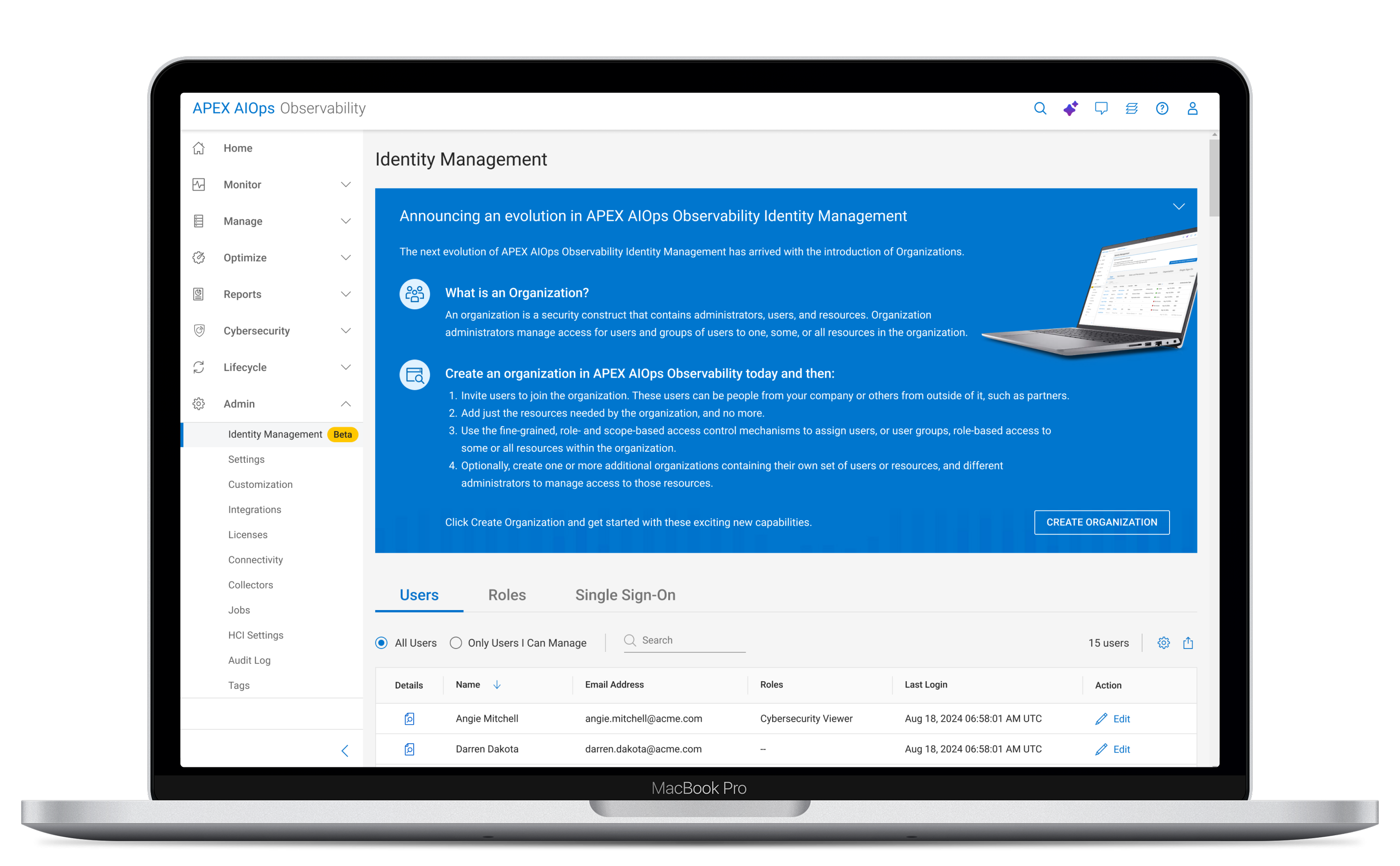
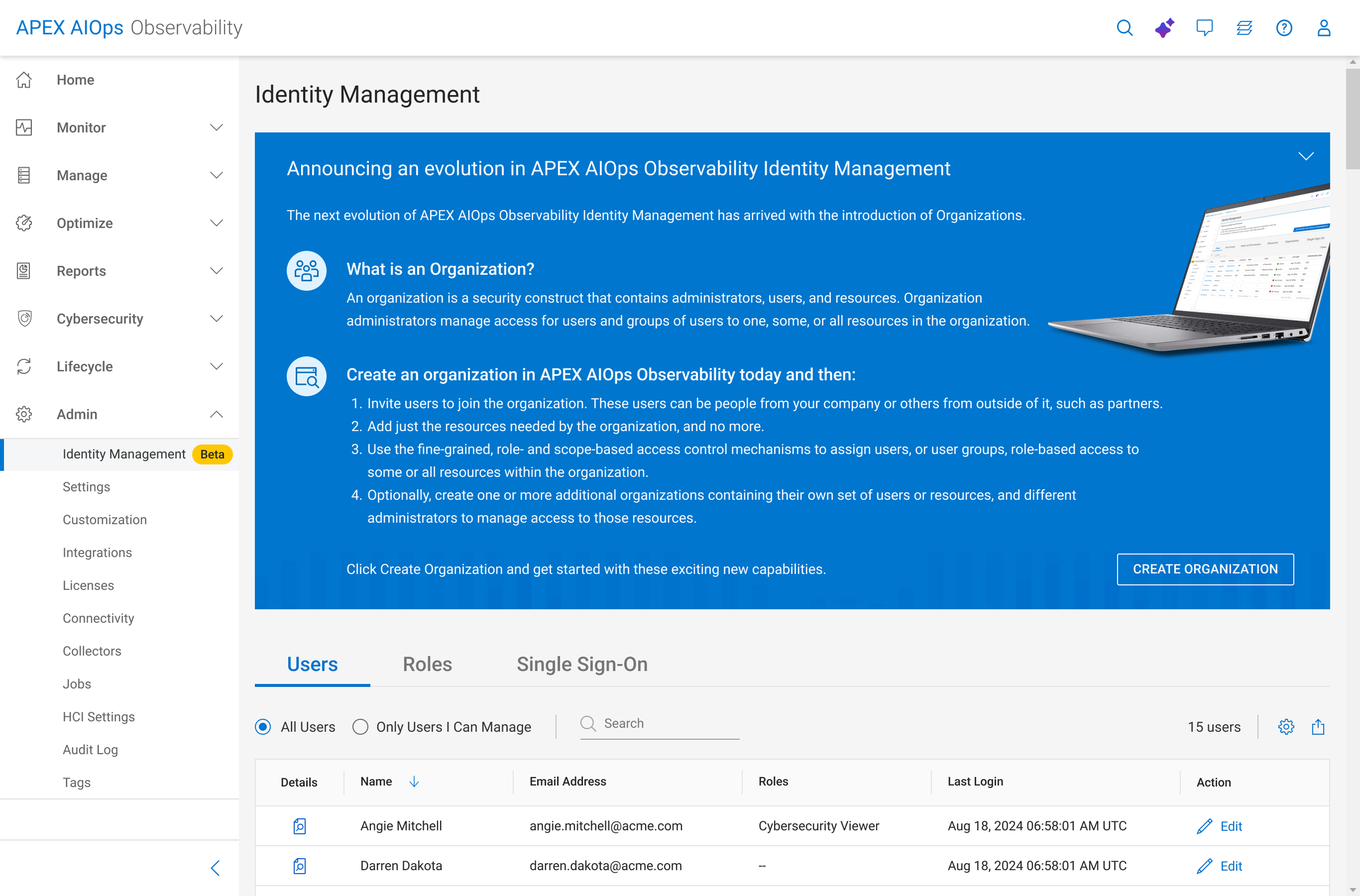
Identity Access Management (IAM)
Designed a scalable, AI-ready Identity & Access Management (IAM) platform across the Dell product ecosystem, securely governing access for thousands of enterprise organizations, tens of thousands of users, and hundreds of thousands of systems worldwide.
Identity & Access Management (IAM)
2024 - 2026
Mission
Dell established a global initiative to build a scalable, AI-ready Identity & Access Management (IAM) system across its product ecosystem. This centralized security framework is engineered to support thousands of enterprise organizations, securely governing tens of thousands of users and hundreds of thousands of global systems.
Challenges
Because Dell has extensive client networks running highly siloed architectures, managing dynamic user permissions across client enterprises' internal systems creates a massive administrative challenge and a high-priority security risk. This friction is compounded by inconsistent authentication infrastructure; while certain large organizations utilize mature Single Sign-On (SSO) protocols, many smaller clients lack centralized authentication pipelines entirely, forcing the Dell IAM platform to gracefully support these fragmented, hybrid environments.
My Contributions
-
I collaborated with Dell research and product teams to analyze customer IAM infrastructure, user demographics, and operational workflows to have a holistic view of the requirements.
-
I held cross-functional meetings with engineering leads to understand legacy backend permission mechanics across disparate product lines.
-
I partnered directly with product management to map unified rollout tracks that carefully accommodated the unique challenges and timelines of individual product teams.
-
I architected a centralized Identity & Access Management (IAM) platform engineered to harmonize complex corporate data governance demands with a seamless, intuitive user experience.
Impact
Following a dedicated two-year development cycle, the new Identity & Access Management (IAM) platform achieved strong endorsement from Dell management across multiple product lines. The platform was highly validated during usability studies, where actual enterprise customers praised the intuitive layout and simplified workflows of the new interface.
I had the pleasure of working alongside Product Manager Scott Thompson and UX Designer Minsuk Kim for over two years on the IAM platform.
Working with Charles has been a pleasure. Charles asks all the right questions in pursuit of a solid understanding of customer needs, goals, and flows, allowing him to design thorough, elegant, and complete user experiences. I am fortunate and grateful to have worked with Charles.
Scott Thompson
Product Manager | Dell Technologies
I had the pleasure of working with Charles at Dell, and his depth of knowledge and expertise is truly remarkable. Having been with Dell for over 20 years, Charles has contributed to countless projects, bringing invaluable insights and a deep understanding of Dell’s products. His ability to apply that knowledge to drive efficiency and establish effective working standards has had a lasting impact.
Beyond his technical expertise, Charles is an incredible team player. He is approachable, easy to work with, and always willing to share his knowledge. His collaborative nature makes complex projects smoother, and his problem-solving skills ensure that challenges are met with well-thought-out solutions. Anyone who has the opportunity to work with Charles will quickly recognize the value he brings to a team. I highly recommend him to any organization looking for experience, expertise, and a strong, dependable professional.
Beyond his technical expertise, Charles is an incredible team player. He is approachable, easy to work with, and always willing to share his knowledge. His collaborative nature makes complex projects smoother, and his problem-solving skills ensure that challenges are met with well-thought-out solutions. Anyone who has the opportunity to work with Charles will quickly recognize the value he brings to a team. I highly recommend him to any organization looking for experience, expertise, and a strong, dependable professional.
Minsuk Kim
UX Designer | Dell Technologies
Global Access Complexity & Scale
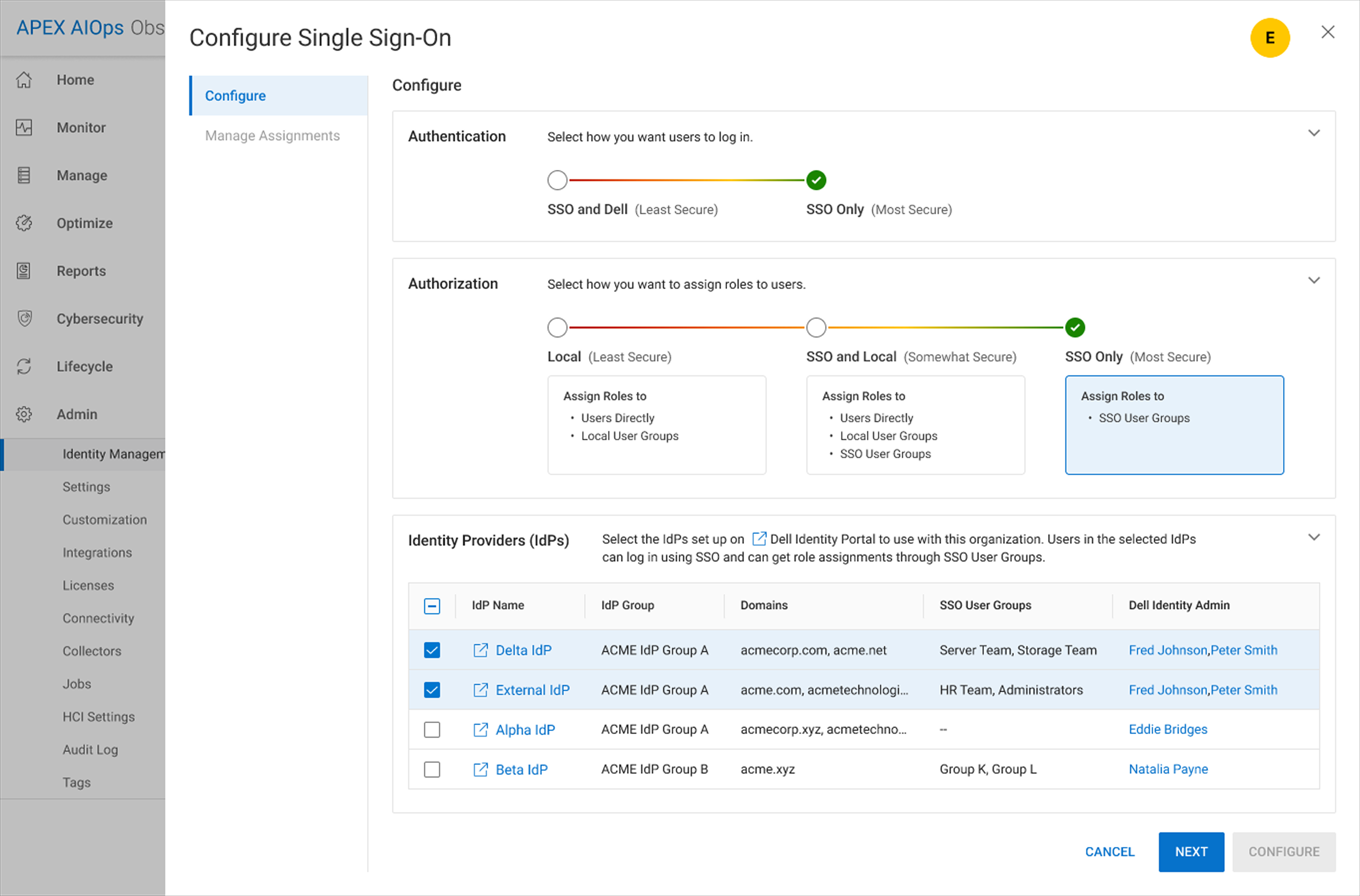
Dell has extensive client networks running highly siloed architectures where authentication and authorization infrastructures vary wildly by company size and individual divisional requirements. To unify this fragmented space, I worked alongside product management to introduce a centralized "Organization" concept. This model allows enterprise clients to instantiate internal organizational business units to address localized needs. It also gives security administrators the granular ability to switch between discrete authentication protocols (SSO and Non-SSO) and configure role assignment authorizations through Local, SSO, or mixed-mode.
Managing User Identities, Groups, and Access Rights
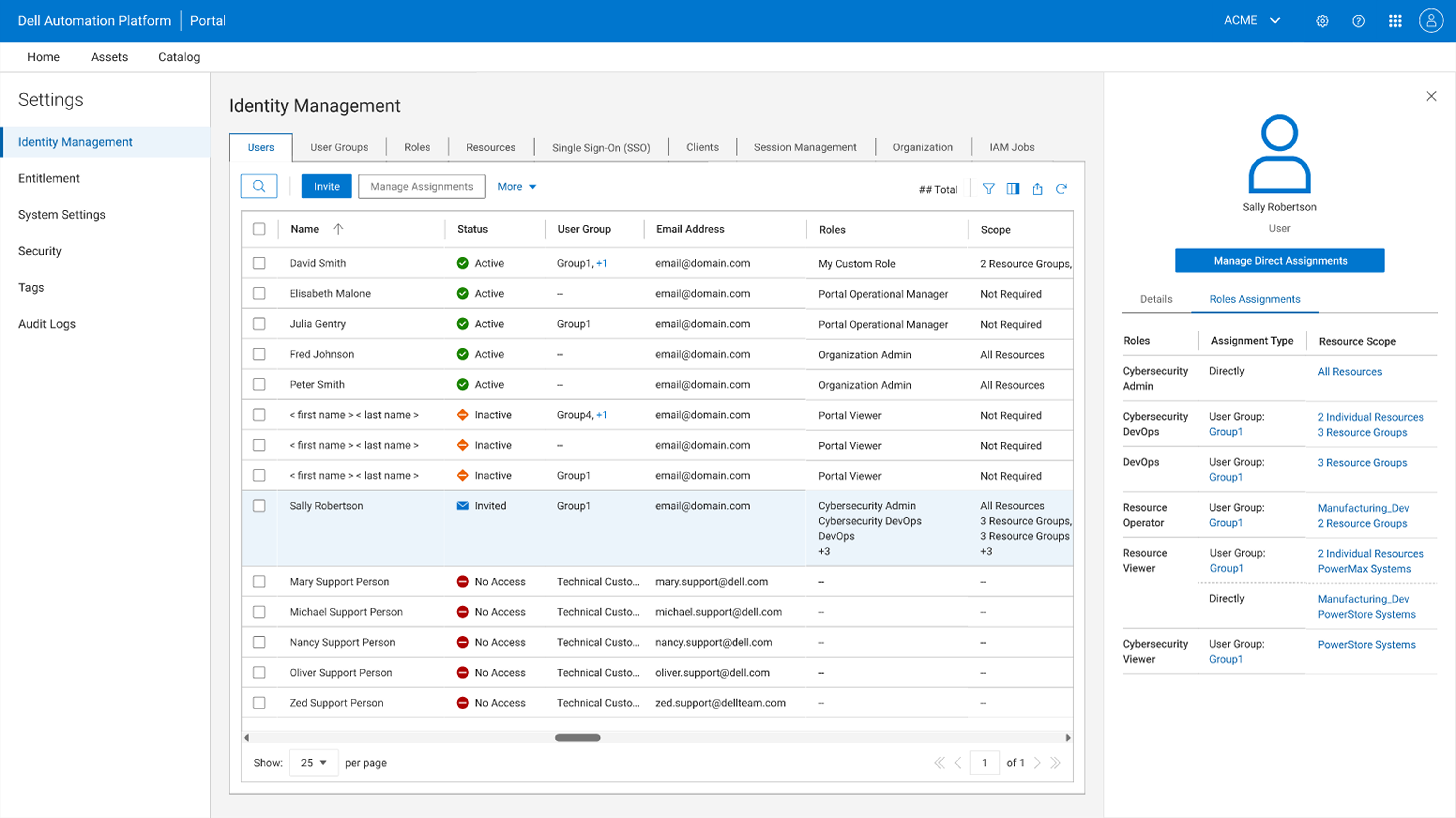
Due to the vast number of clients and users, I architected the IAM platform to accommodate multiple user personas:
-
IAM Administrators: Managing global permissions, tenant configurations, and systemic access policies.
-
Client Engineers: Overseeing and managing internal system infrastructure and operational nodes.
-
External Advisors & Partners: Accessing specific client instances under secure, restricted validation rules.
-
Dedicated Dell Support Teams: Handling platform maintenance, troubleshooting, and backend adjustments.
-
Machine-to-Machine Access: Managing automated backend processing protocols.
Administrators can create Local User Groups or SSO Groups and automate role assignments dynamically based on user source attributes. This drastically reduces administrative overhead. By clicking on any user, administrators can view all the roles assigned to that user across all sources.
User Lifecycle
I architected the IAM platform to seamlessly govern the full user lifecycle by mapping out core identity transitions:
-
Onboarding: When a user joins the company or a team, the system triggers automated access and resource provisioning based directly on role attributes.
-
Role Change: When a user changes roles, the system dynamically adds new permissions and automatically revokes legacy access to eliminate privilege drift.
-
External Advisors & Partners: Accessing specific client instances under secure, restricted validation rules.
-
Dedicated Dell Support Teams: Handling platform maintenance, troubleshooting, and backend adjustments.
-
Machine-to-Machine Access: Managing automated backend processing protocols.
Managing Resources
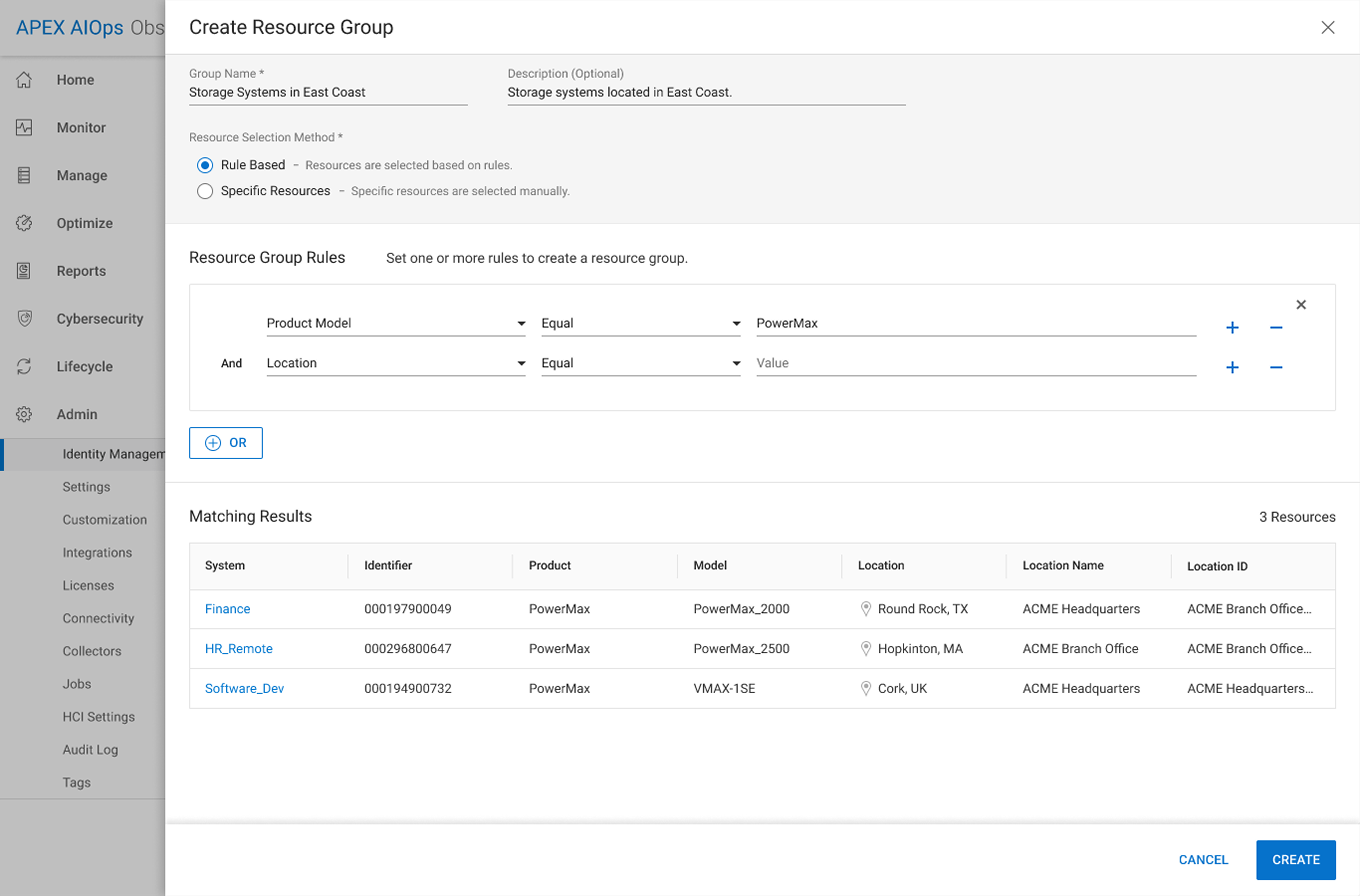
Managing access control across hundreds of thousands of distributed systems worldwide is a highly critical security task for Dell’s enterprise clients. To accommodate distinct infrastructure needs, I designed a dual-option asset grouping strategy that allows administrators to create Resource Groups using two distinct configurations:
-
Rule-Based: A dynamic, attribute-driven approach that automates resource provisioning in real time.
-
Specific Resource: A direct selection model allowing administrators to manually assign explicit system assets.
Design-to-Code Validation & Engineering Alignment
I worked closely with engineering teams to generate component markdown (.md) documentation files, systematically reviewing the implementation to ensure all user flows were accurate and the final code matched Dell style guides.

Design systems






4 PROJECTS
AI-Driven Design System
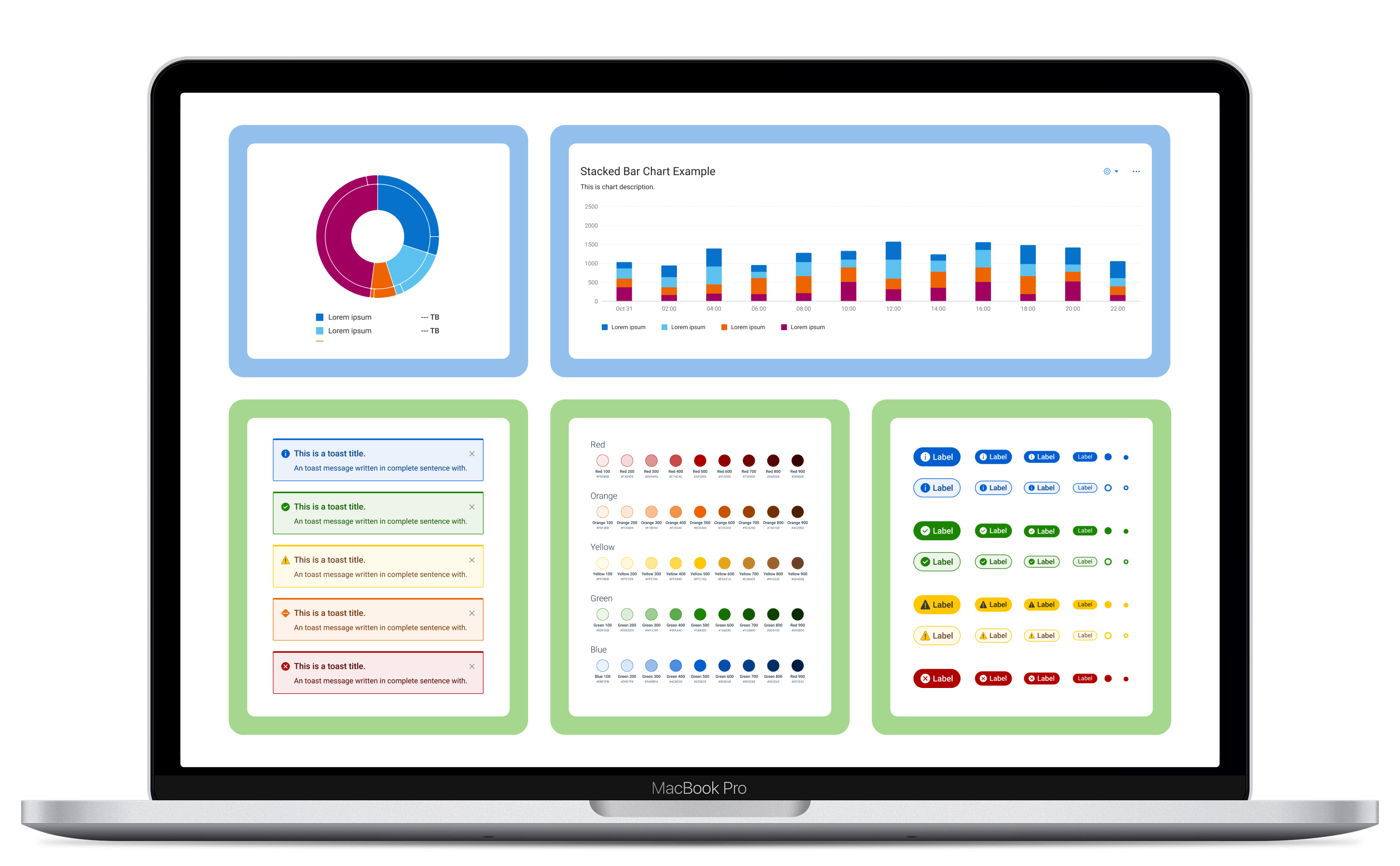
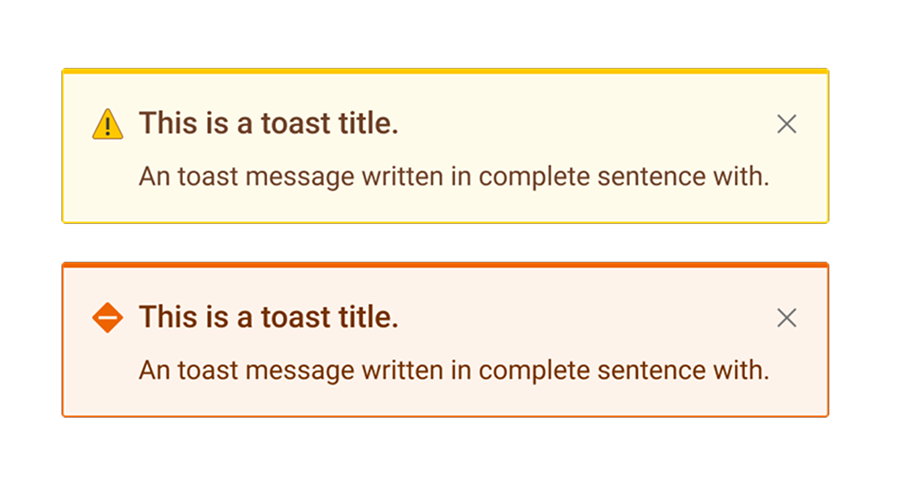
Engineered scalable, multi-theme design systems using Figma variables, tokens, Devin, Storybook, and AI prompts, accelerating design and developer handoff across enterprise applications.
AI-Driven Design System
2026
Mission
Dell is developing an adaptive, AI-driven design system for use across multiple AI applications to leverage artificial intelligence, simplify maintenance, and reduce development costs.
Challenges
Legacy design systems frequently suffer from fragmented styles and disconnected tokens because disparate product lines rely on entirely separate frontend architectures — including React and Angular. Building and maintaining individual Design libraries across these isolated tech stacks drives up design efforts and incurs substantial manual engineering overhead.
My Contributions
I collaborated with Dell design and engineering teams to architect an adaptive, AI-driven design system that establishes a unified layer of standardized variables and design tokens. Using targeted prompts in Devin, we generated platform-agnostic component markdown (.md) files and validated them using Storybook to eliminate manual development overhead and ensure systemic visual consistency.
Impact
The deployment of platform-agnostic component markdown (.md) files successfully unified variables across multiple Dell products. This transformation dramatically reduced development effort and accelerated delivery timelines across several engineering teams.
I had the pleasure of working alongside Senior UX Designer Shuqi Yan on multiple design systems and other projects at Dell.
I had the pleasure of working with Charles on our design system initiative, where he guided his own team in delivering high-quality components based on our requirements and goals. Throughout the project, Charles consistently demonstrated outstanding communication skills, strong leadership, and an impressive depth of understanding across both our products and the broader design system we were building. I highly recommend Charles, as his professionalism and craftsmanship would make him a valuable partner to any organization.
Shuqi Yan
Senior UX Designer | Dell Technologies
Research
I interviewed UX design teams to understand individual platform guidelines and isolate the unique challenges designers faced when using existing component libraries. In parallel, I audited engineering teams to uncover legacy backend framework limitations, codebase maintenance friction, and critical design-to-implementation misalignments. Finally, I evaluated the differences between variables and tokens across each system to identify core pain points and map out actionable solutions to align variables across products.
Design
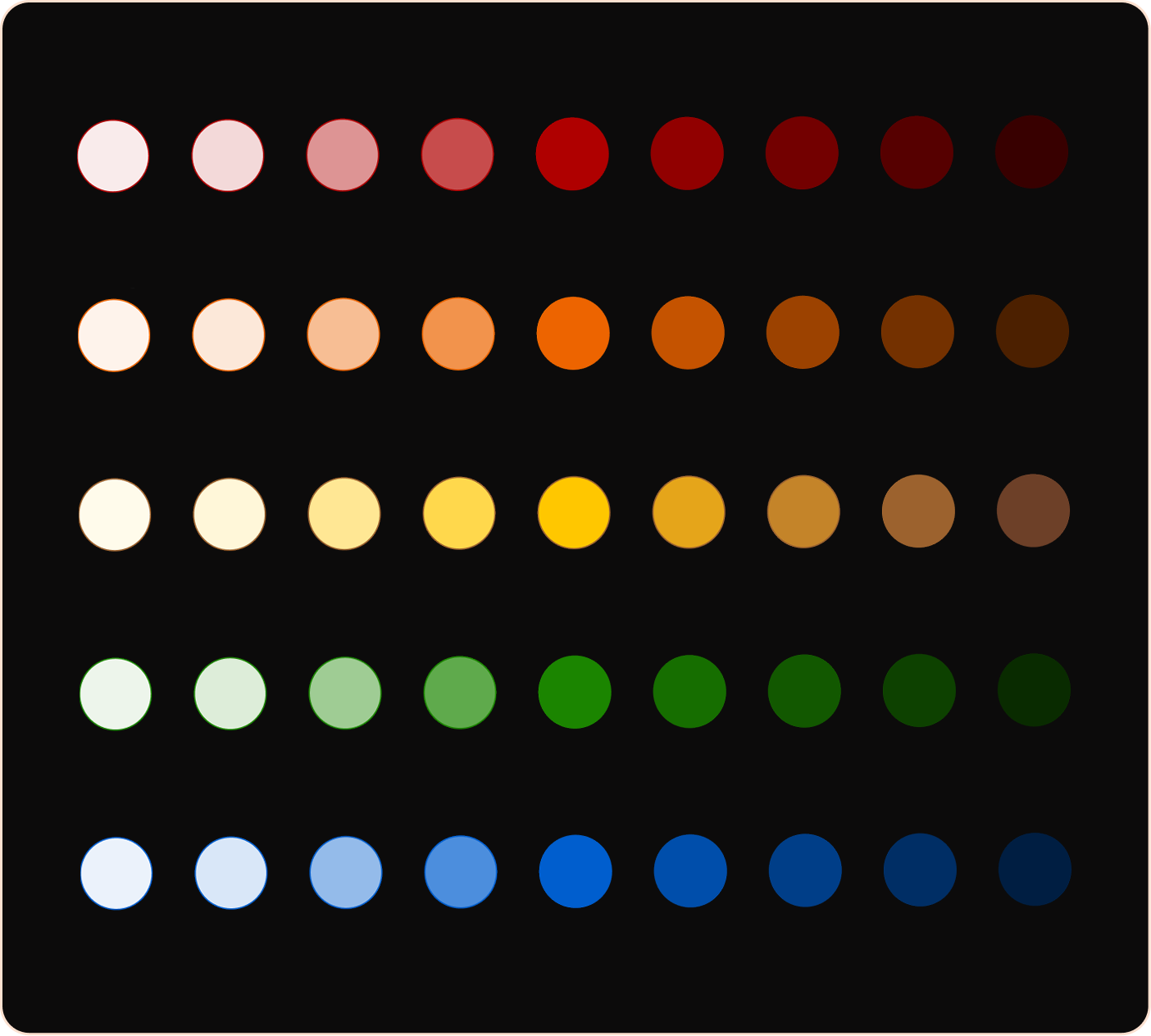
I collaborated with cross-functional UX teams at Dell to optimize Figma component properties, apply adaptive auto-layout scaling, and define interactive behavioral models. Conducted comprehensive color and accessibility testing while establishing a unified layer of standardized variables to ensure absolute design consistency across all product lines.
Figma Property Optimization
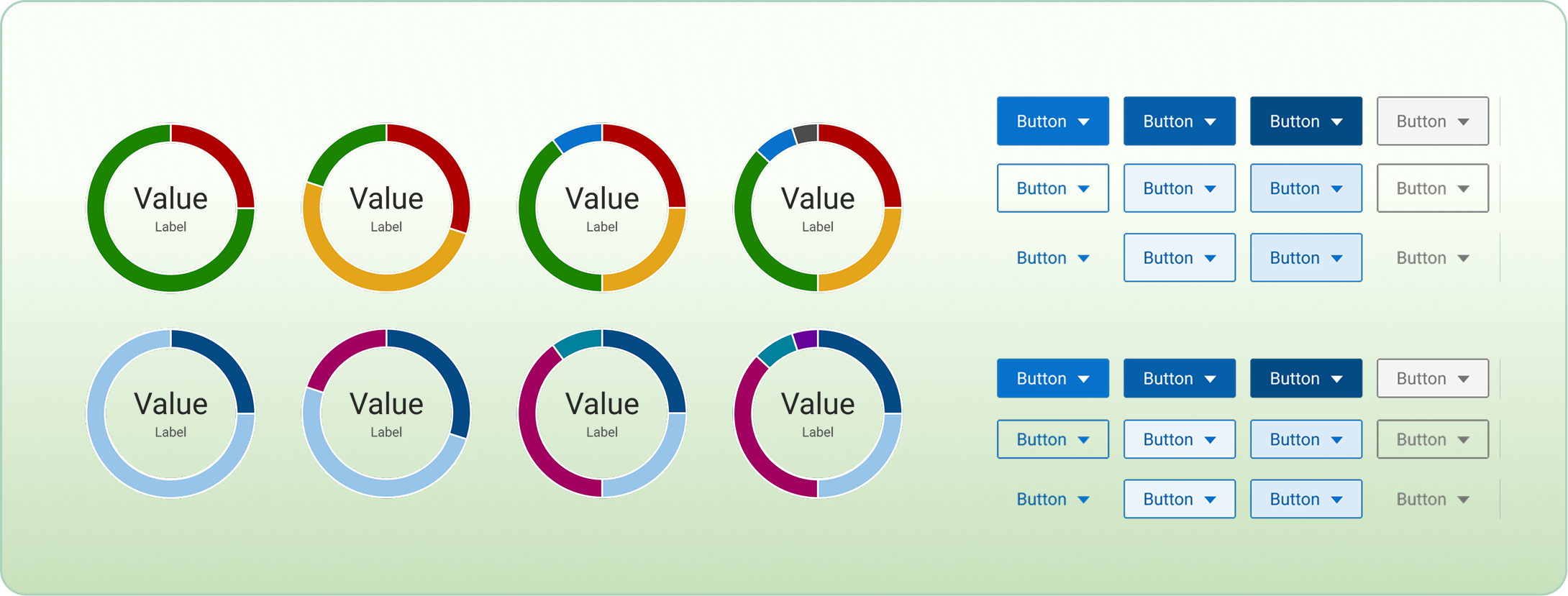
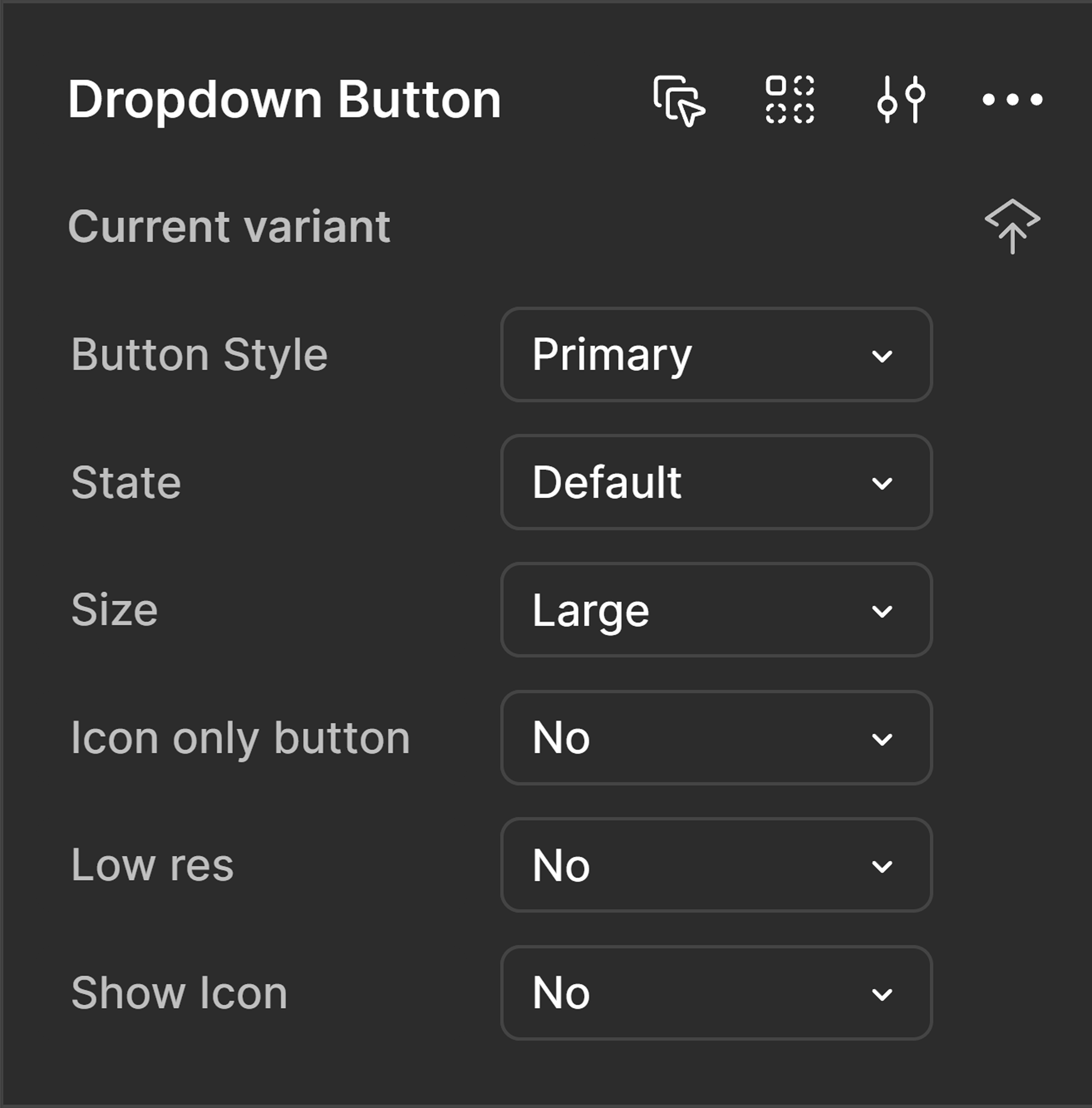
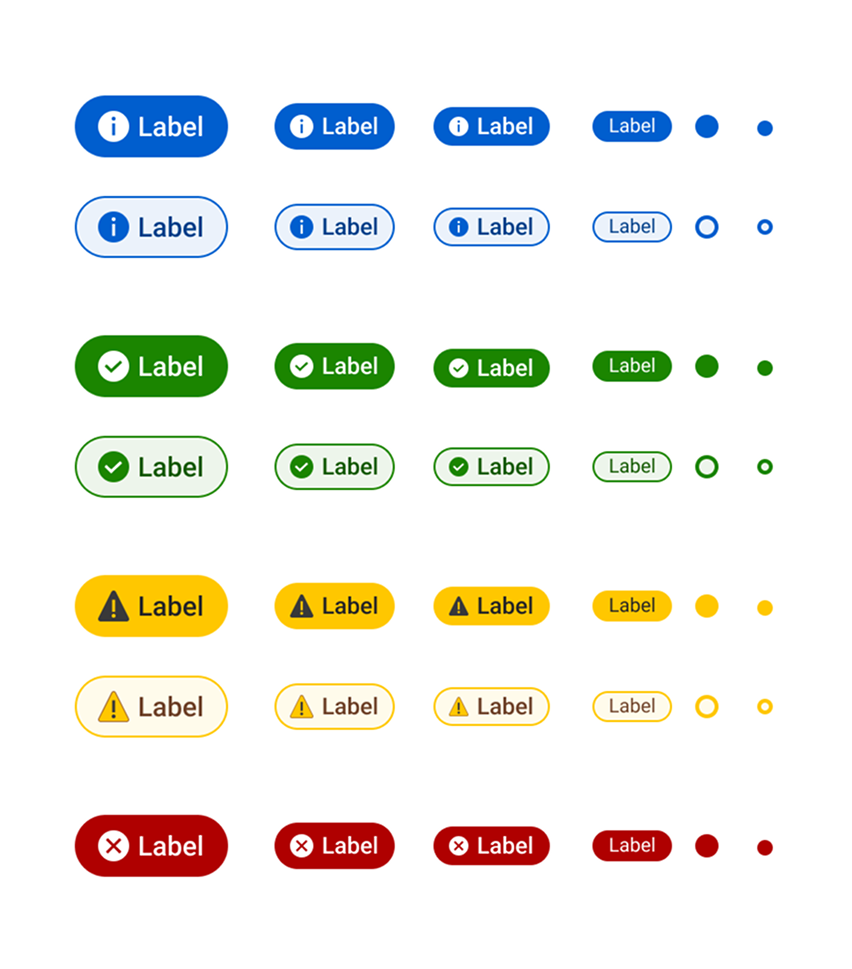
I worked with UX design teams to streamline component properties, making it easy for designers to select desired variations through the variant panel.
Auto-Layout Scaling
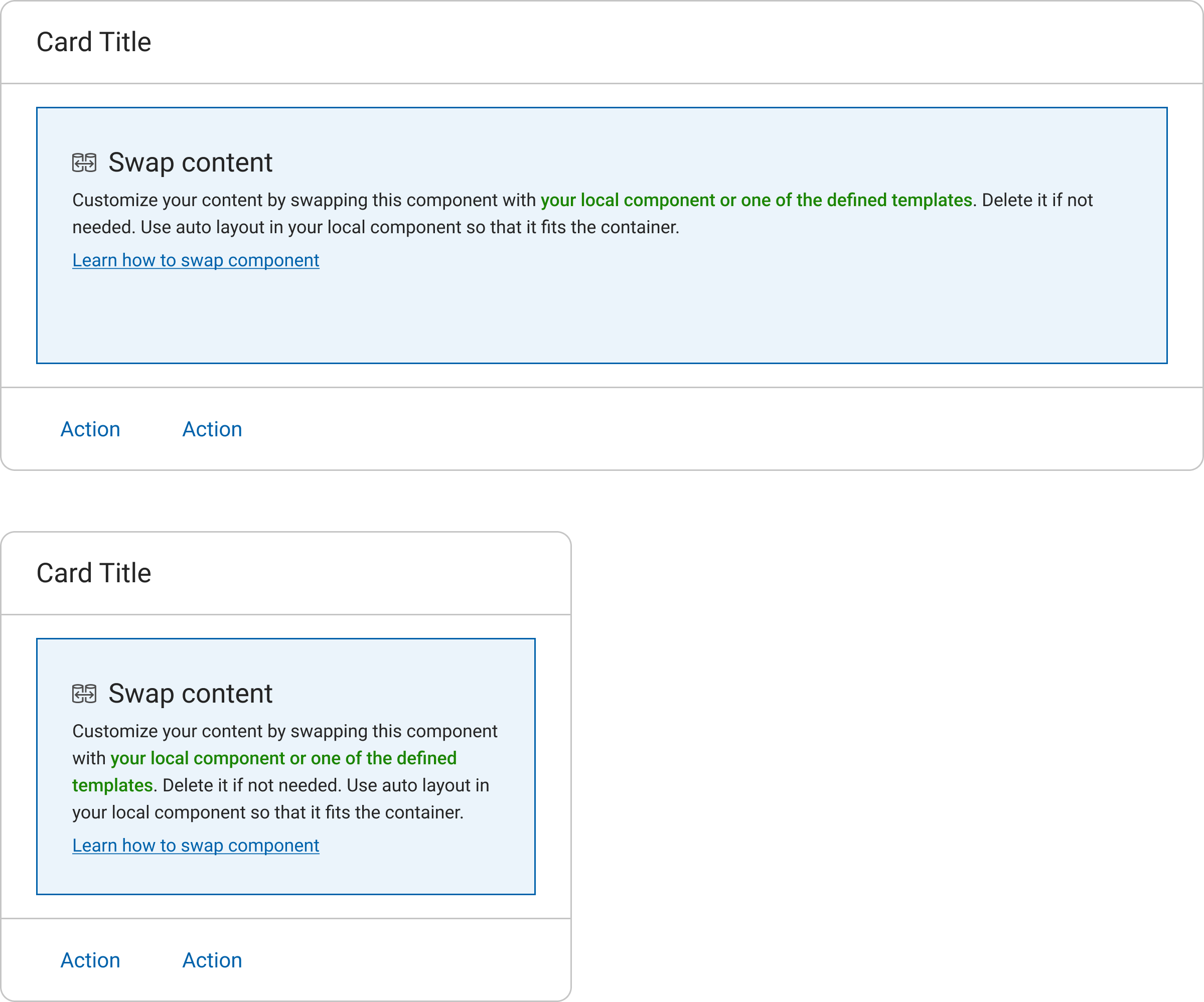
I applied Figma’s auto-layout system to ensure all components within the design system scale seamlessly across various viewports.
Interactive Behaviors
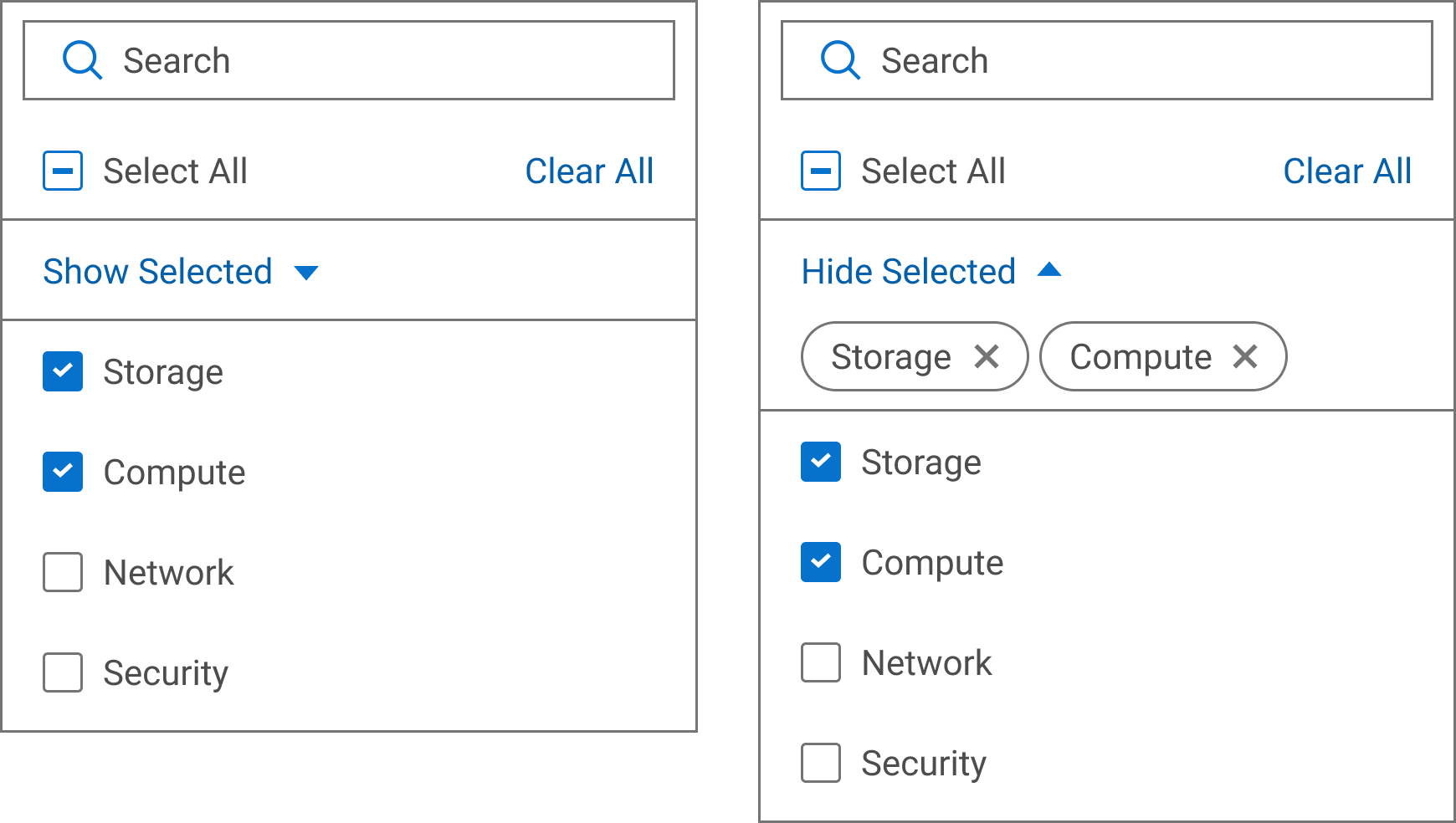
I identified all possible micro-interactions for each component and used targeted prompts in Devin to generate platform-agnostic component markdown (.md) files.
Compliant Themes & Accessibility
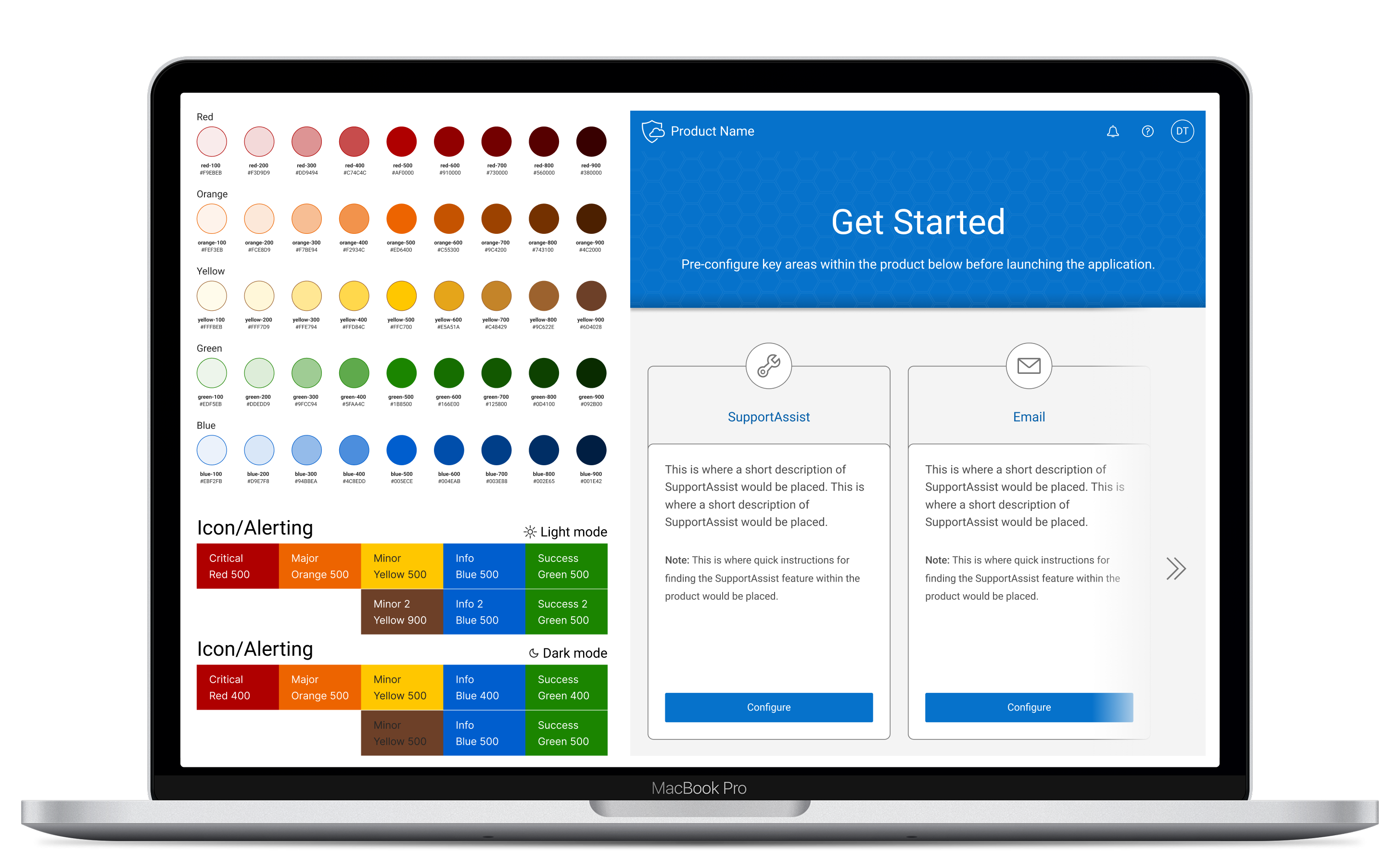
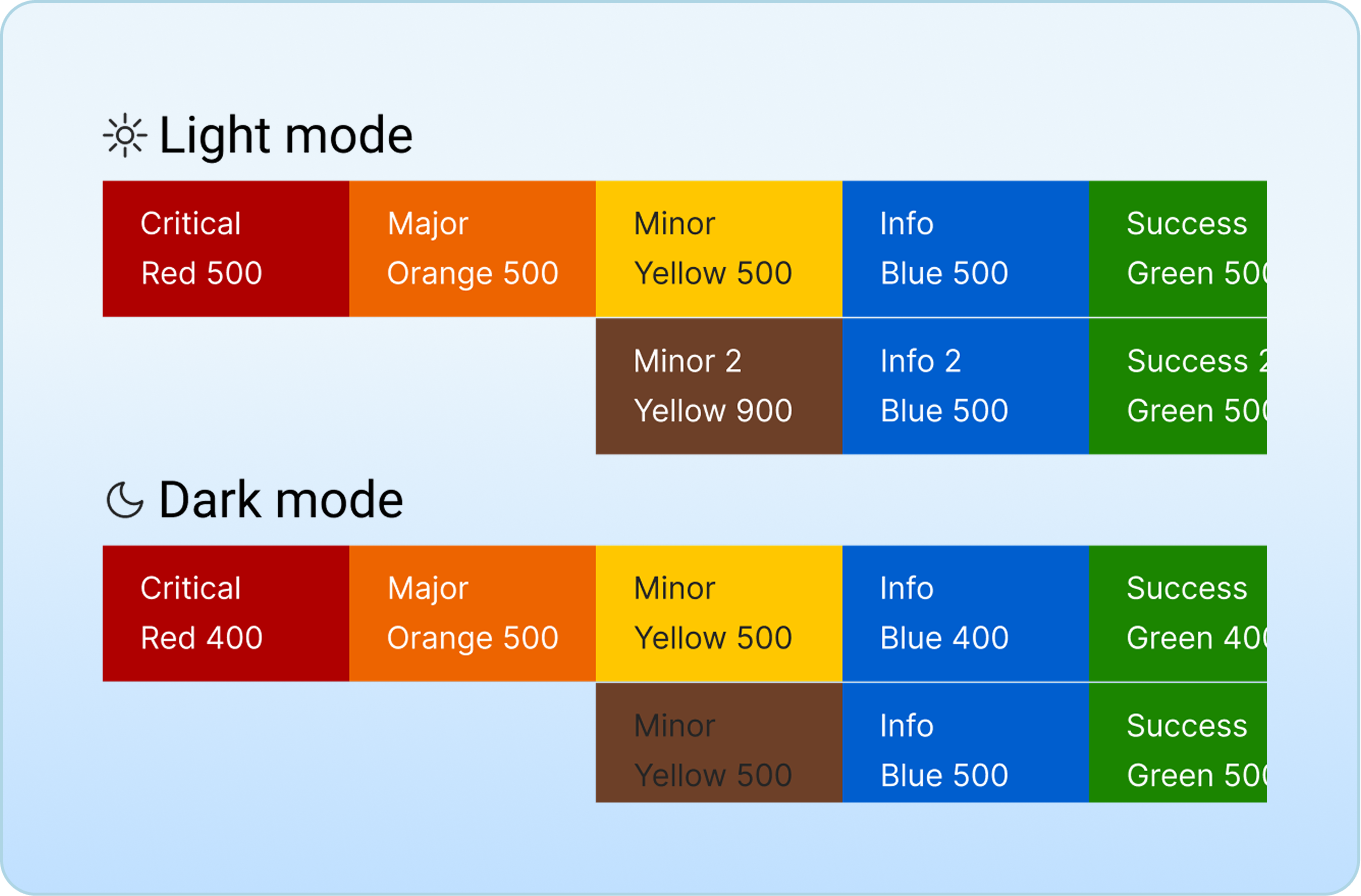
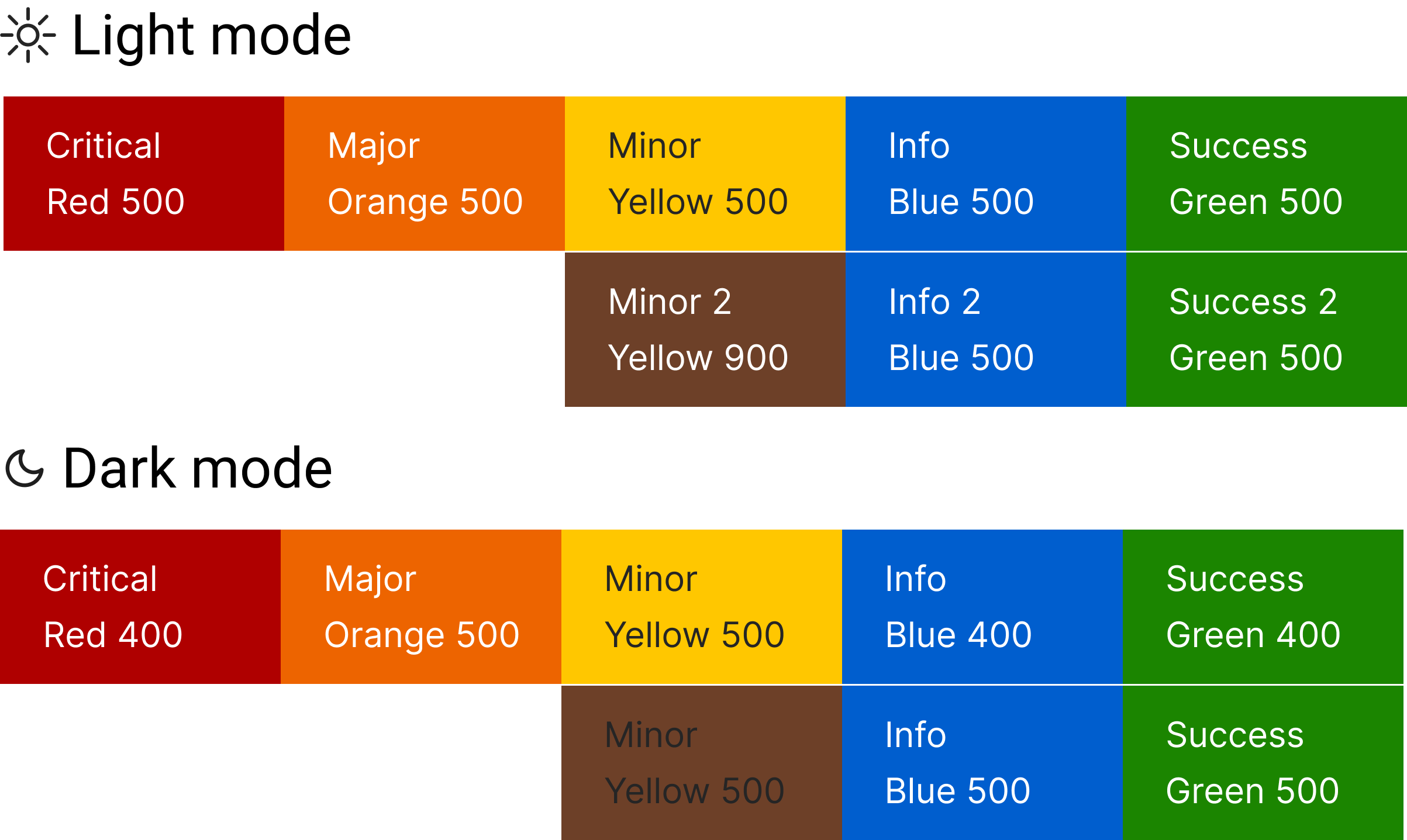
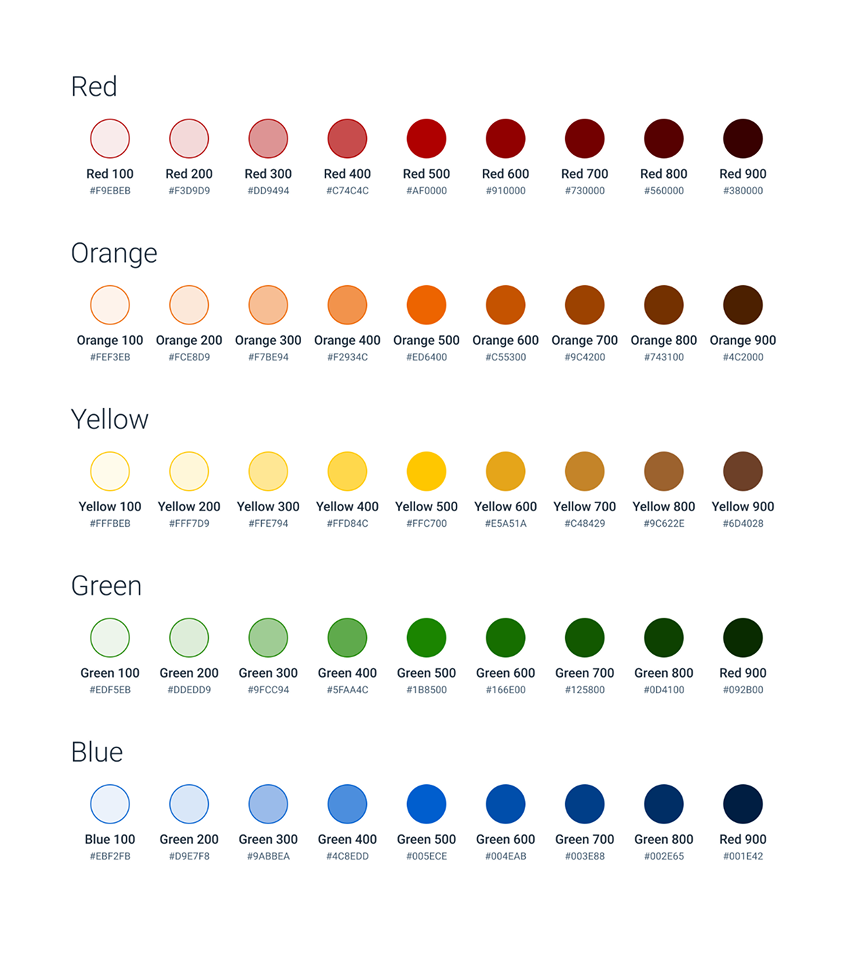
I defined color schemes for Light Theme and Dark Theme and conducted rigorous testing to ensure strict adherence to WCAG 2 standards.
Token Standardization
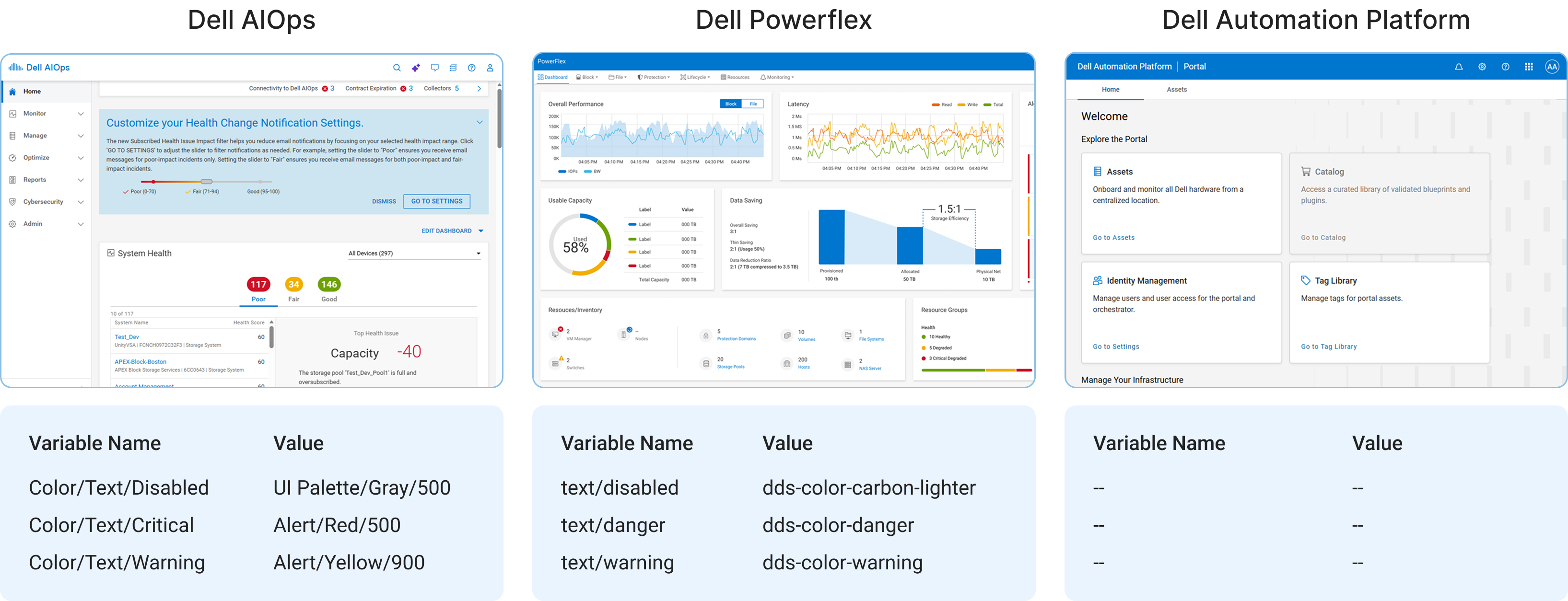
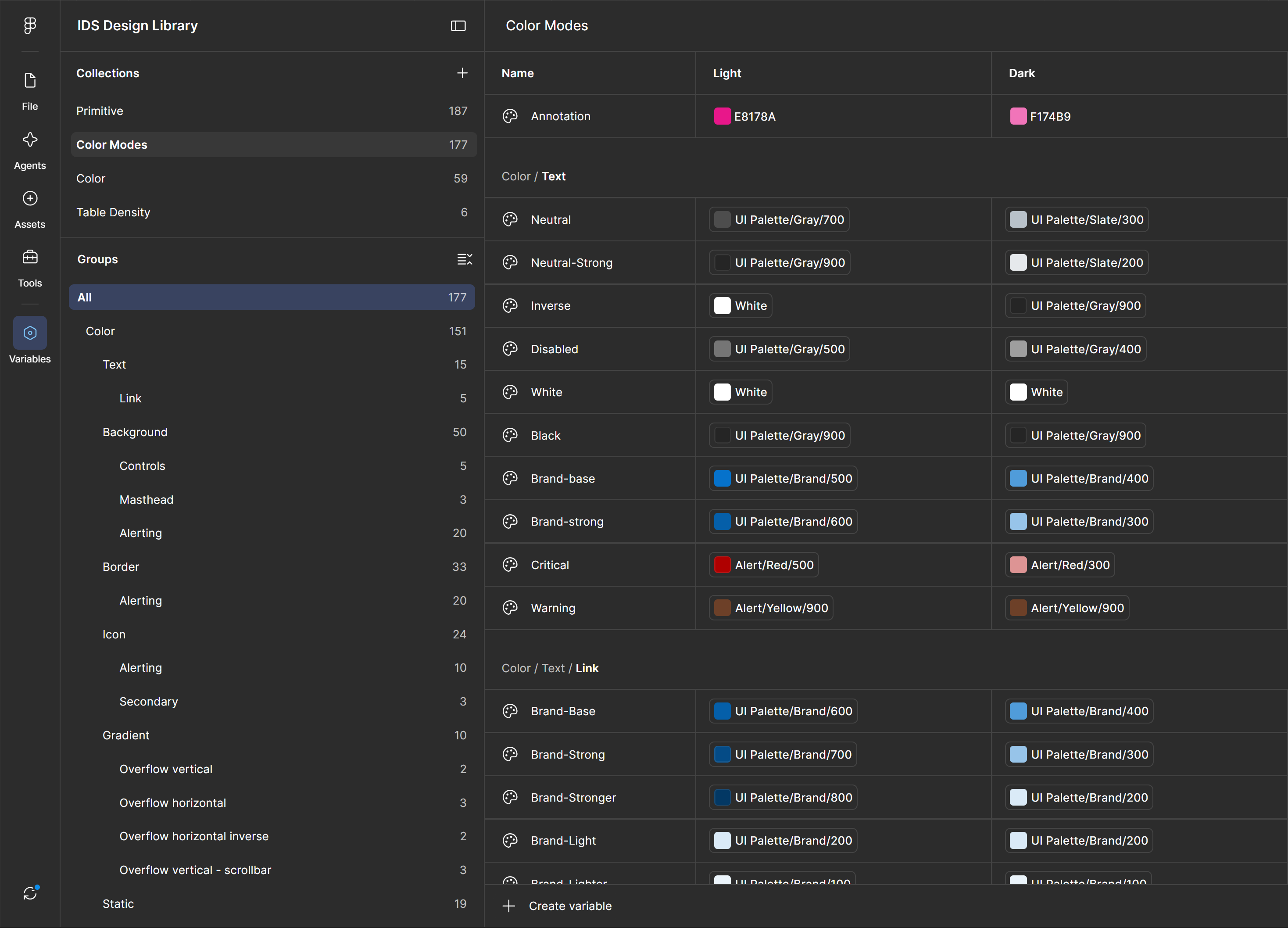
I collaborated with UX design teams to define a unified layer of standardized variables and design tokens—such as primitive, color modes, sizes, and table density—across different products including AIOps, DAP, PowerFlex, etc.
implementation
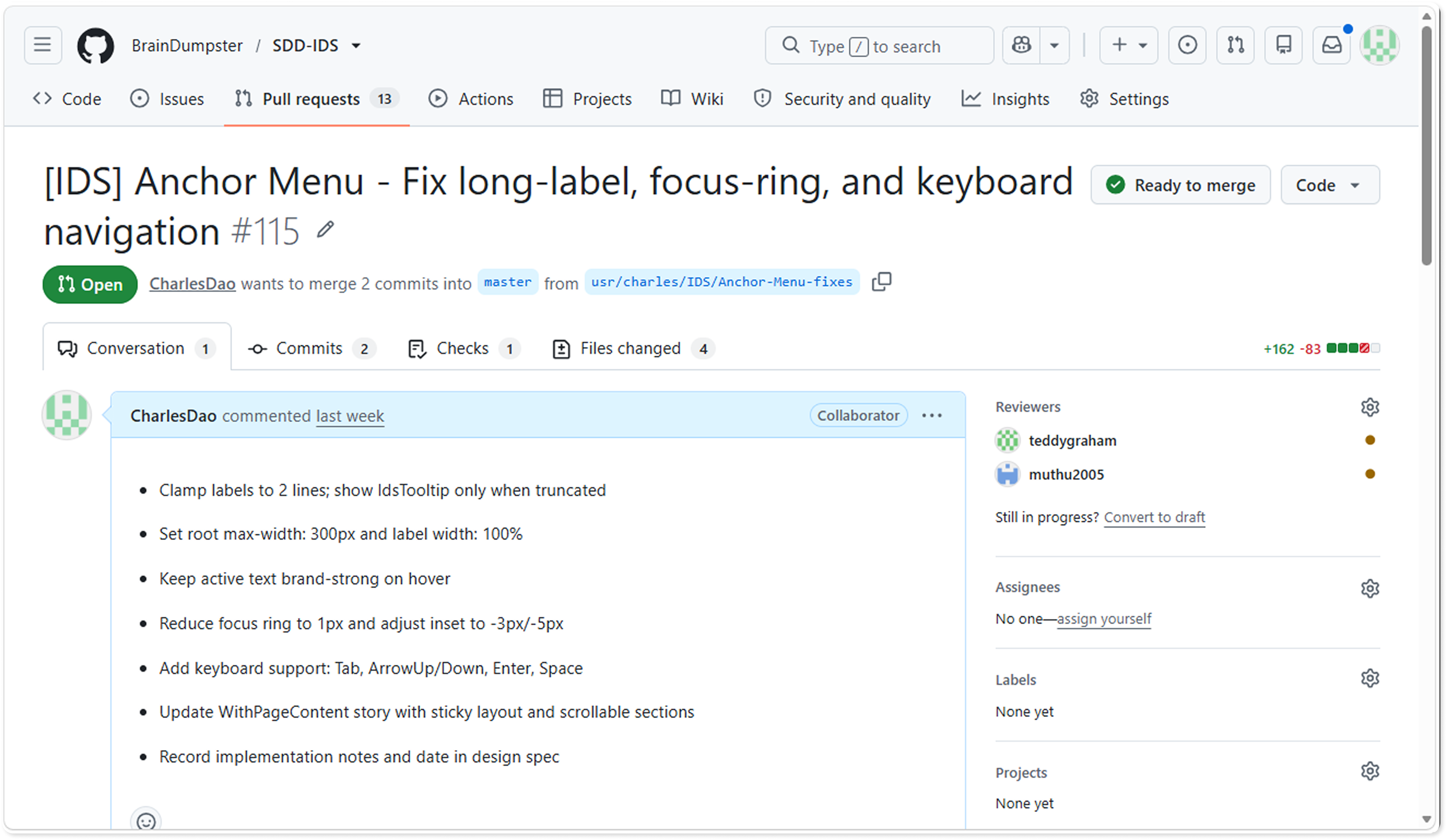
I worked closely with engineering teams to set up an AI development platform leveraging Claude Design, Devin, Storybook, GitHub, and Figma to create a scalable design system powered by platform-agnostic markdown (.md) documentation files. This centralized token model enables cross-functional teams to inject unified variables seamlessly across Dell product lines, eliminating framework-specific technical debt and ensuring enterprise-wide visual consistency.
Devin Documentation
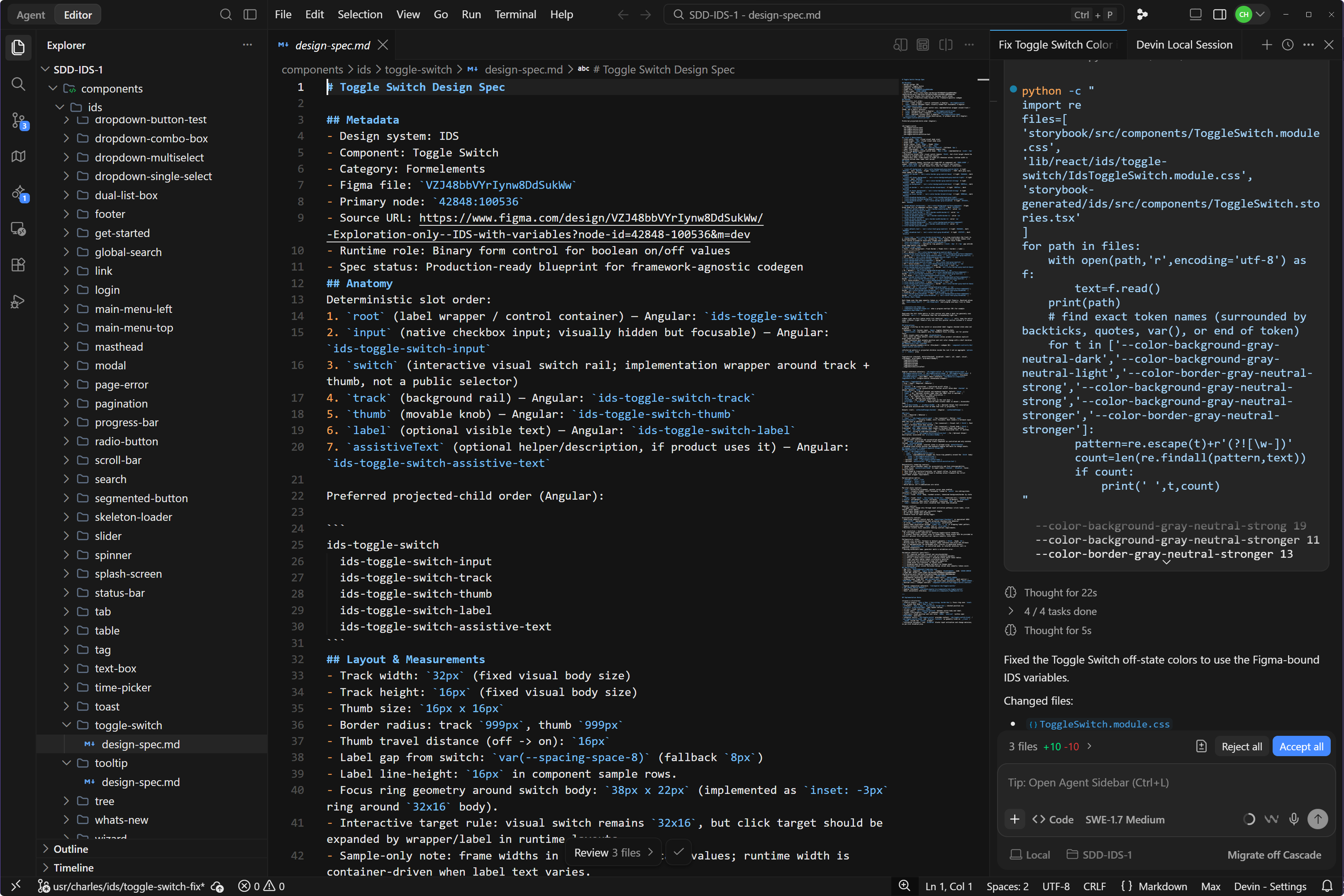
I used Devin prompts to generate component markdown (.md) documentation files and embed interactive behaviors into each component, making it easier for engineering teams to visualize and implement while reducing development effort.
Storybook Validation
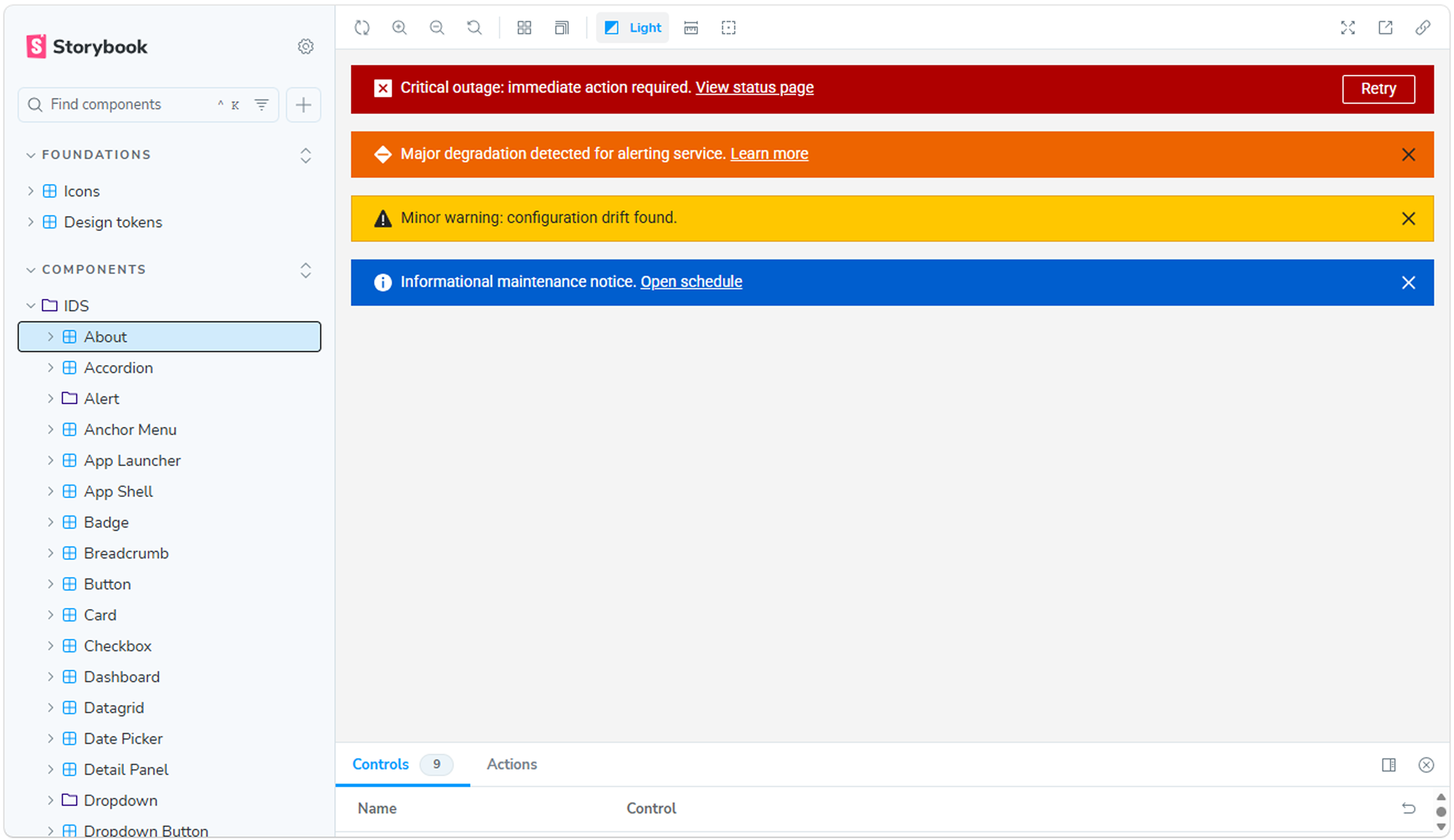
I validated the component markdown (.md) files with Storybook to secure multi-framework compatibility across all product lines.
GitHub Collaboration
I utilized GitHub to manage Pull Requests (PRs) and coordinate code reviews, collaborating directly with engineering teams to validate design system updates.
Final Impact & Adoption
The new AI-driven design system was successfully adopted by multiple engineering teams across different frameworks, including React and Angular. This cross-framework integration established a unified layer of standardized tokens, eliminating manual development overhead and ensuring visual consistency across product lines.
SaaS Design Library
Leveraging 25 years of experience working across multiple Dell products to architect a flexible, unified design library engineered for a seamless, phased implementation across the entire Dell product ecosystem.
SaaS Design Library
2023
Mission
Before integrating AI workflows, Dell initiated the development of a unified SaaS design library. The goal was to establish a standardized look and feel across its diverse multi-product portfolio and reduce frontend development overhead.
Challenges
Dell has many products that were developed using legacy code bases over years or even decades. A major challenge was replacing these legacy styles, many of which were hardcoded directly using inline CSS rather than structured variables and tokens. Additionally, each product relies on its own distinct frontend framework and unique backend infrastructure.
My Contributions
Leveraging 25 years of experience working across multiple Dell products, I deeply understand how components are utilized in each application alongside their respective backend limitations. To address these complexities, I facilitated cross-functional workshops with UX and engineering teams to design a flexible, unified design library optimized for a phased, gradual implementation across the entire product ecosystem.
Impact
Following rigorous cross-functional design and testing phases, the new library achieved widespread adoption and was highly endorsed by Dell’s UX and engineering teams across diverse product lines.
I had the pleasure of working alongside Senior UX Designer Shuqi Yan on multiple design systems and other projects at Dell.
I had the pleasure of working with Charles on our design system initiative, where he guided his own team in delivering high-quality components based on our requirements and goals. Throughout the project, Charles consistently demonstrated outstanding communication skills, strong leadership, and an impressive depth of understanding across both our products and the broader design system we were building. I highly recommend Charles, as his professionalism and craftsmanship would make him a valuable partner to any organization.
Shuqi Yan
Senior UX Designer | Dell Technologies
PowerMax Design Library
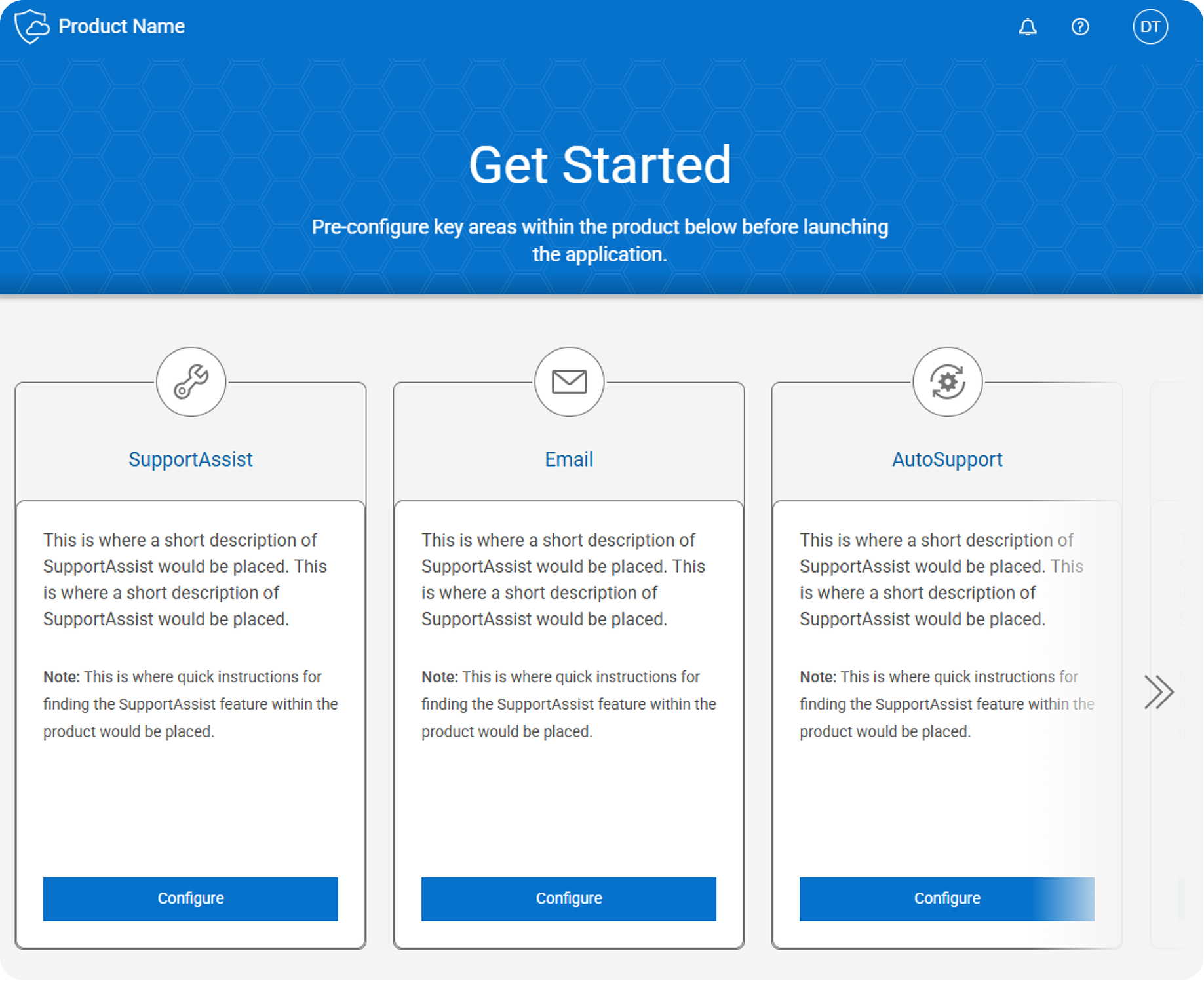
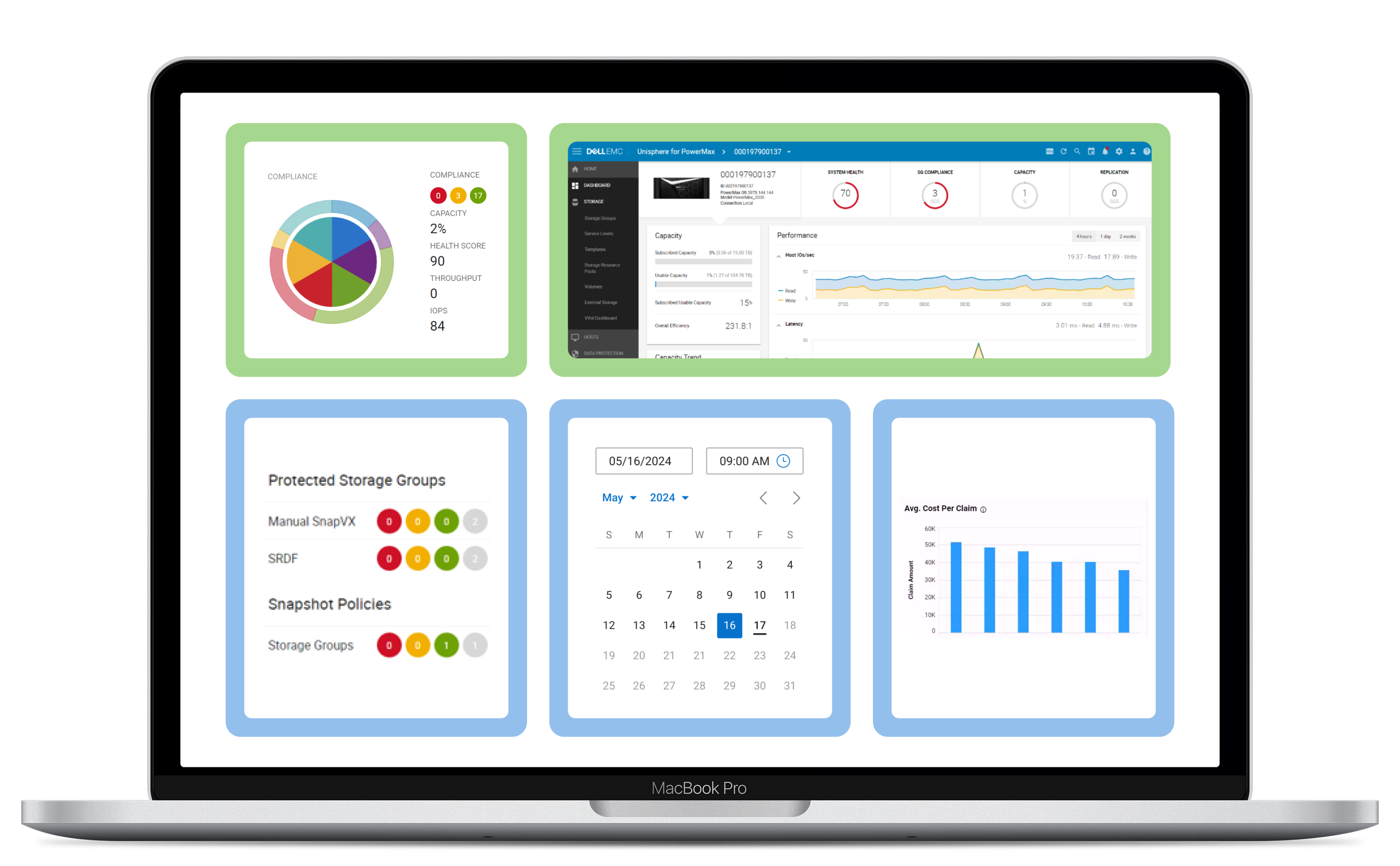
Built the inaugural PowerStore system library from the ground up, establishing comprehensive visual styles, interaction models, and structural standards to bring all foundational components into full alignment with the Dell IDS Design System.
PowerMax Design Library
2022
Mission
Dell set out to create the very first design library for the platform. The goal was to make it easier for designers and developers to design and implement Unisphere for PowerMax.
Challenges
Because the original PowerMax interface was built by engineering teams years ago without a design system framework, there was little consistency in visual styles, and interactive behaviors did not conform to general UX guidelines. Additionally, the platform faced significant technical constraints inherited from its backend framework.
My Contributions
I collaborated with Dell design and engineering teams to architect the entire library from the ground up—defining the core styles, interactive guidelines, and structural standards for all foundational components to adapt to the homegrown PowerMax framework.
Impact
Following extensive alignment sessions with design and engineering teams, the new PowerMax library proved highly intuitive and was widely endorsed by Dell’s UX and engineering teams.
I had the pleasure of working alongside Senior UX Designer Shuqi Yan on multiple design systems and other projects at Dell.
I had the pleasure of working with Charles on our design system initiative, where he guided his own team in delivering high-quality components based on our requirements and goals. Throughout the project, Charles consistently demonstrated outstanding communication skills, strong leadership, and an impressive depth of understanding across both our products and the broader design system we were building. I highly recommend Charles, as his professionalism and craftsmanship would make him a valuable partner to any organization.
Shuqi Yan
Senior UX Designer | Dell Technologies
PowerStore Design Library
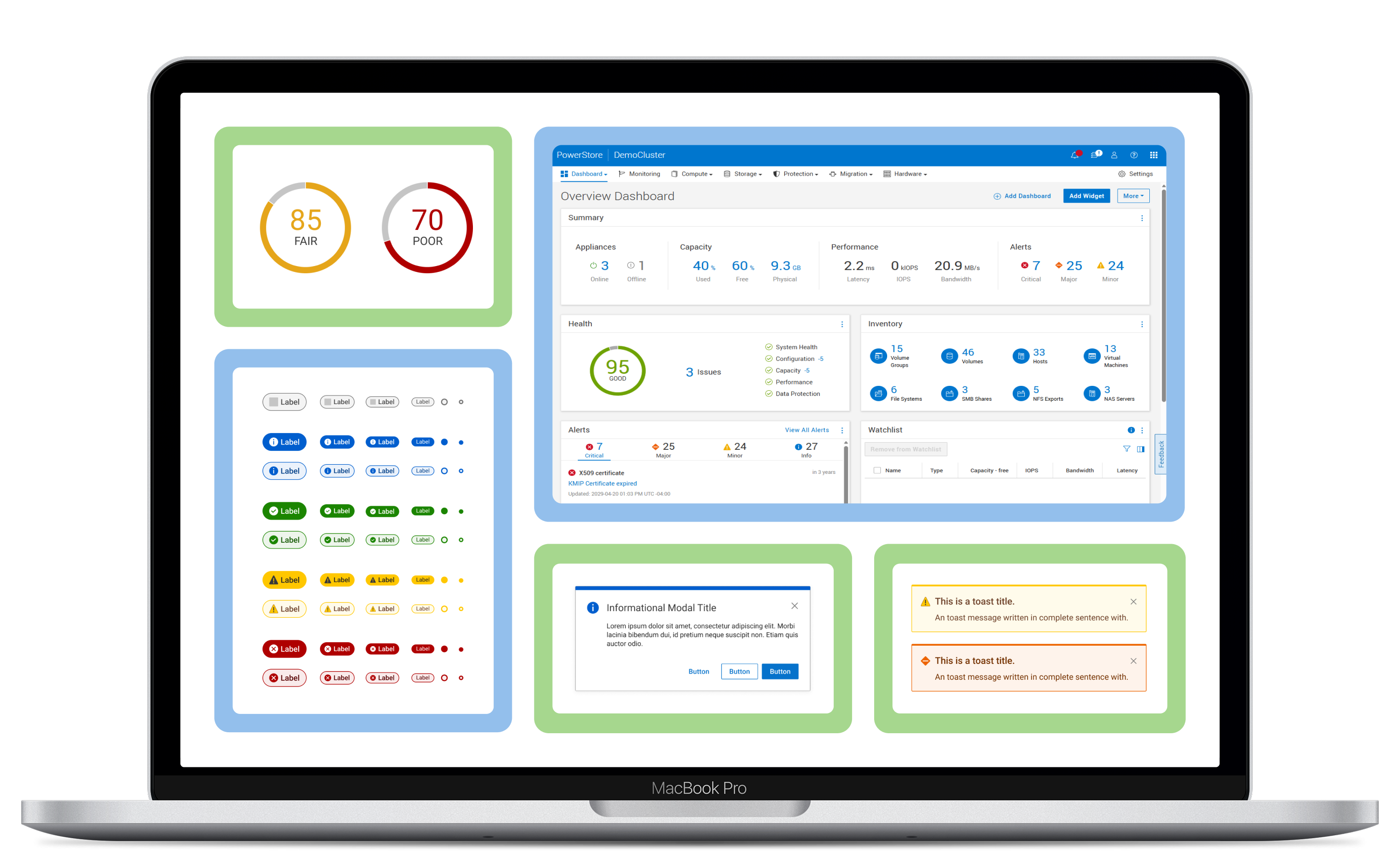
Architected the very first PowerMax library from the ground up—defining the core styles, interactive guidelines, and structural standards for all foundational components to integrate natively with the backend framework.
PowerStore Design Library
2022
Mission
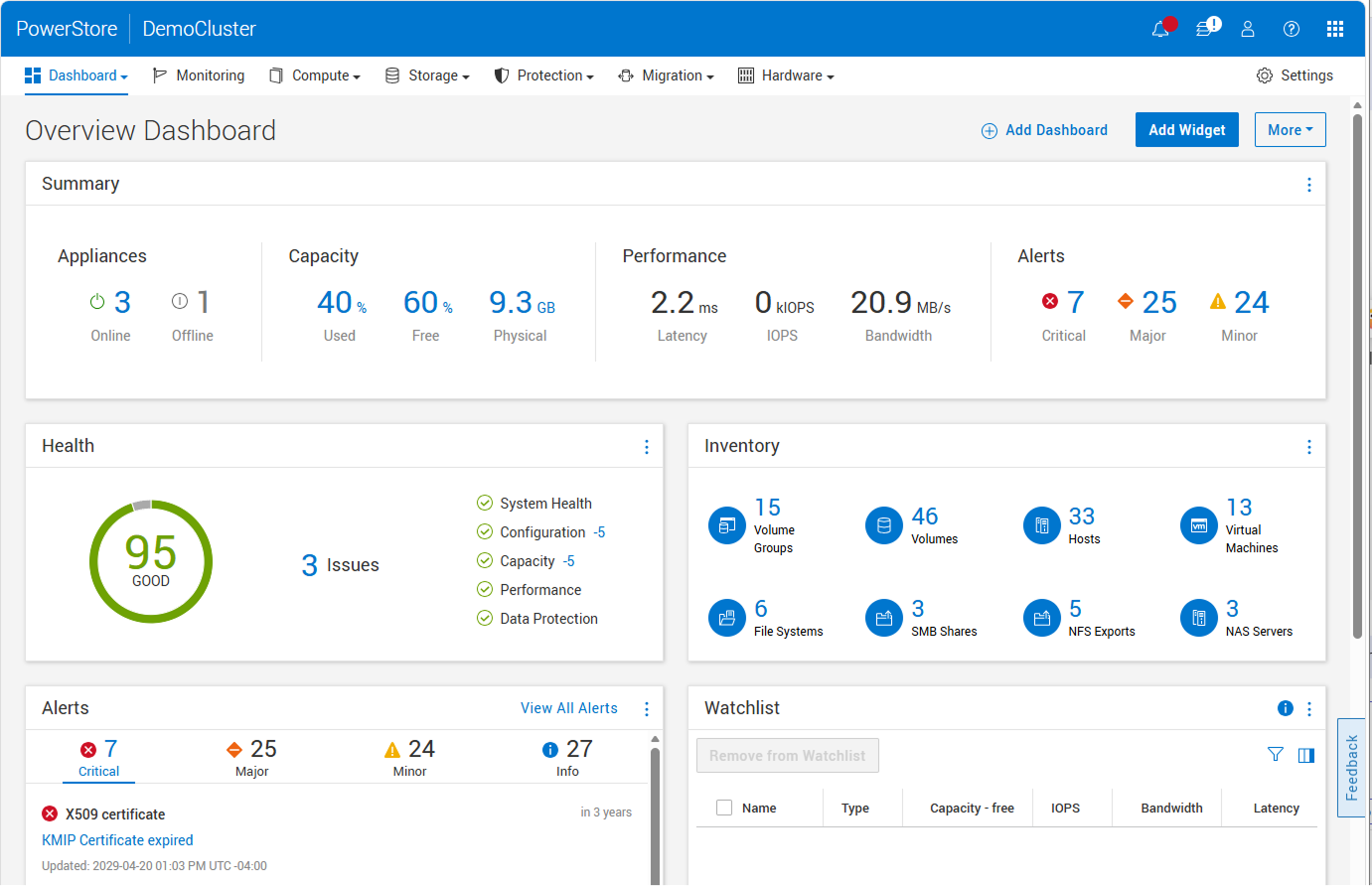
Following several years of PowerStore product success, Dell set out to create the very first dedicated design library for the platform. The goal was to streamline cross-functional collaboration, making it easier for designers and developers to design and implement consistent PowerStore interfaces.
Challenges
Because the original PowerStore interface was built by engineering teams years ago without a design system framework, there was little consistency in visual styles, and interactive behaviors did not conform to general UX guidelines. Additionally, Dell wanted to strategically align the platform with the centralized IDS Design System used across its other core product lines.
My Contributions
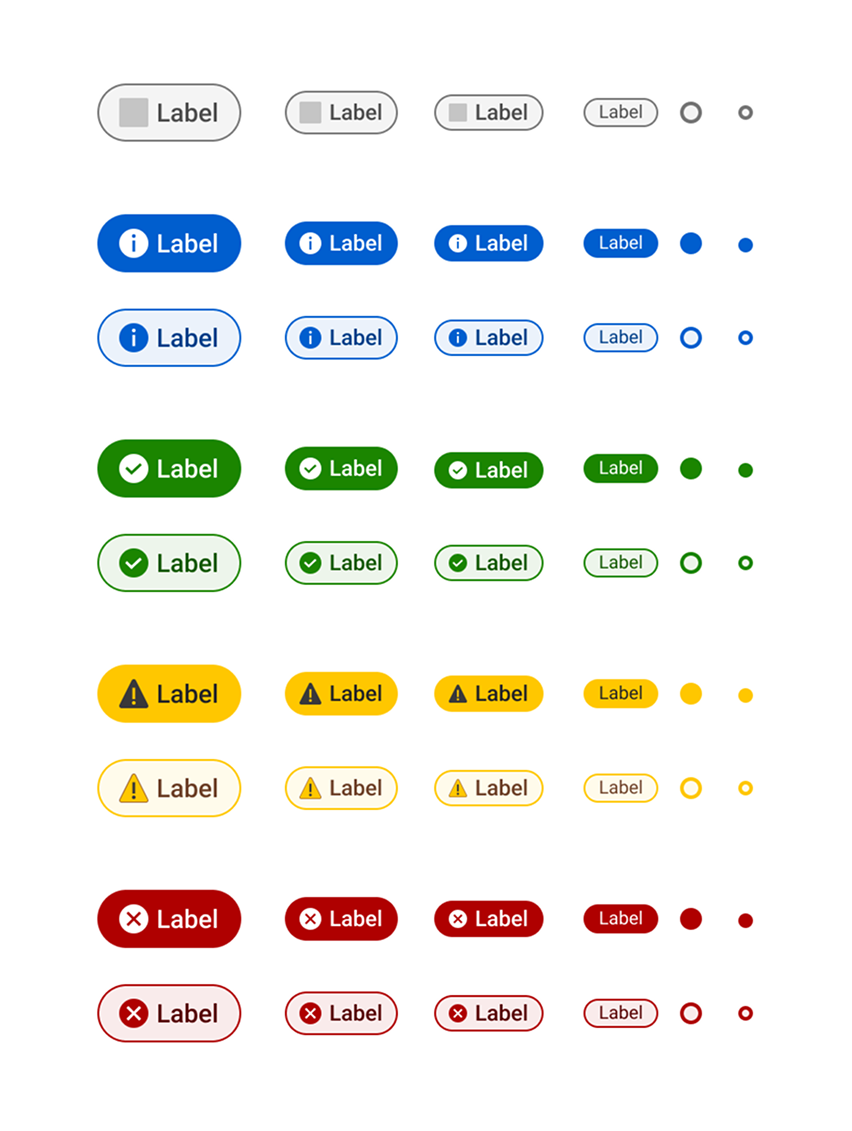
I collaborated with Dell design and engineering teams to architect the entire library from the ground up—defining the core styles, interactive guidelines, and structural standards for all foundational components to align with the IDS Design System.
Impact
Following extensive alignment sessions with design and engineering teams, the new PowerStore library proved intuitive and was widely endorsed by Dell’s UX and engineering teams.
I had the pleasure of working alongside Senior UX Designer Shuqi Yan on multiple design systems and other projects at Dell.
I had the pleasure of working with Charles on our design system initiative, where he guided his own team in delivering high-quality components based on our requirements and goals. Throughout the project, Charles consistently demonstrated outstanding communication skills, strong leadership, and an impressive depth of understanding across both our products and the broader design system we were building. I highly recommend Charles, as his professionalism and craftsmanship would make him a valuable partner to any organization.
Shuqi Yan
Senior UX Designer | Dell Technologies
POWERMAX


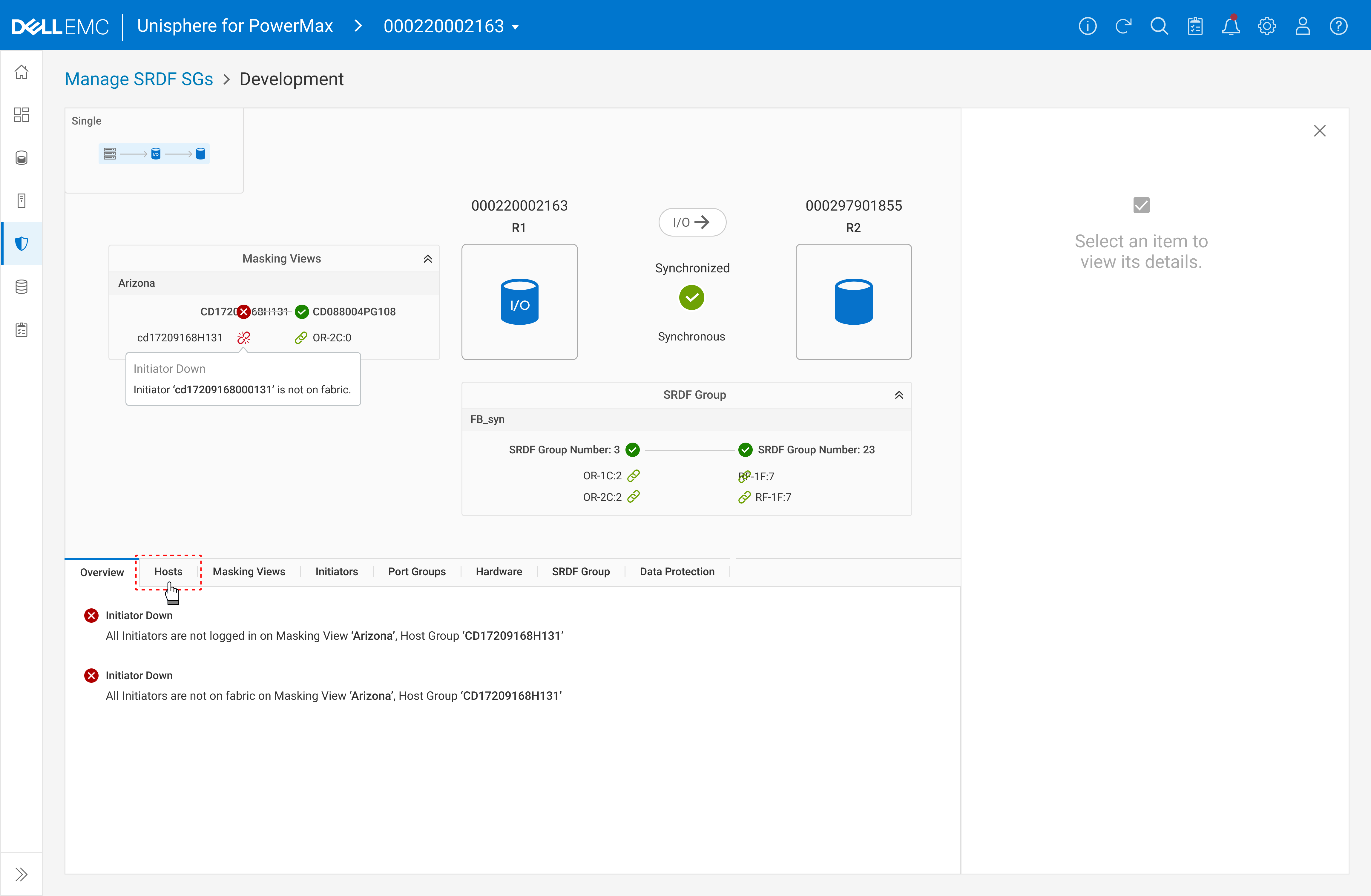
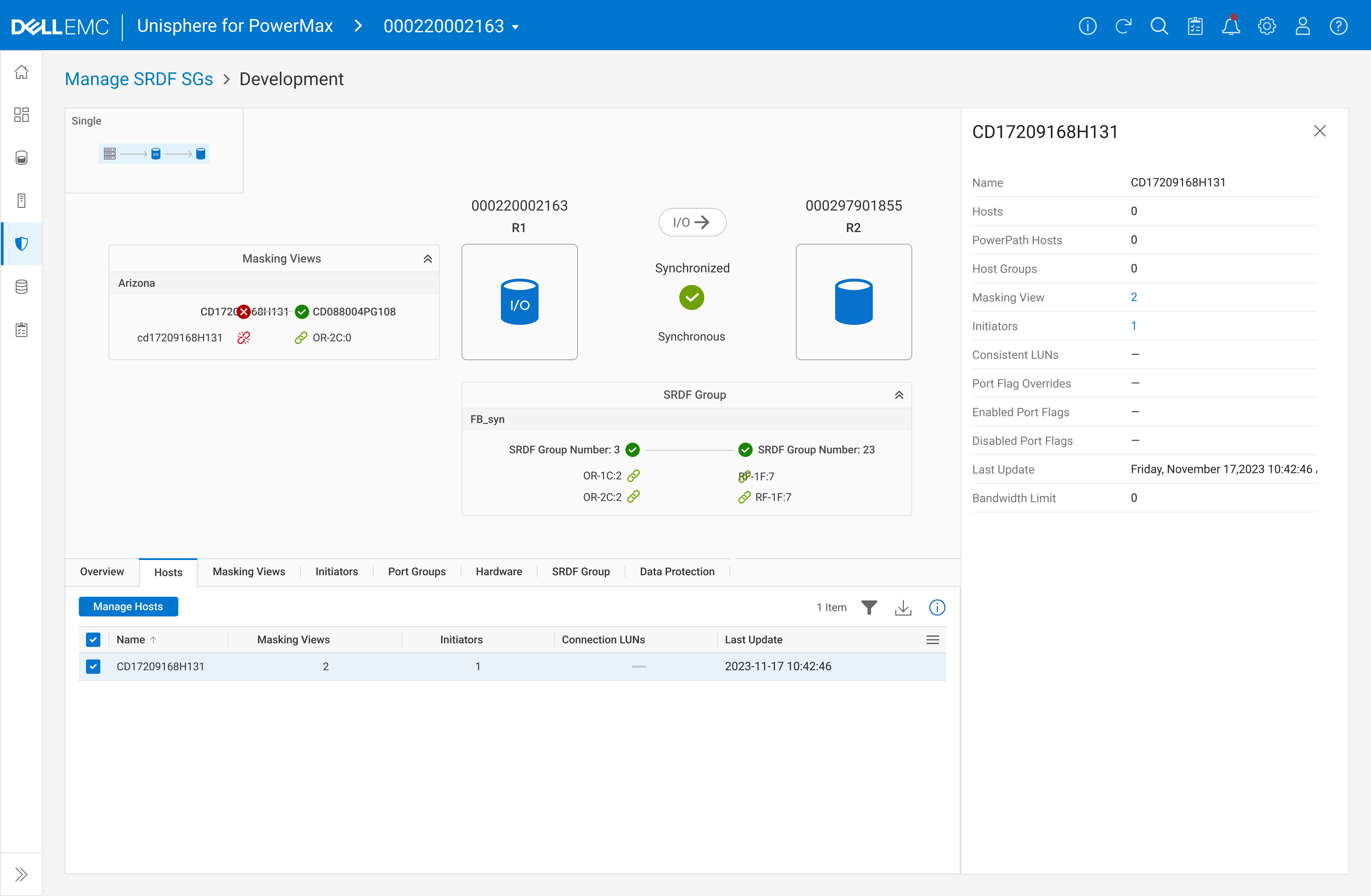
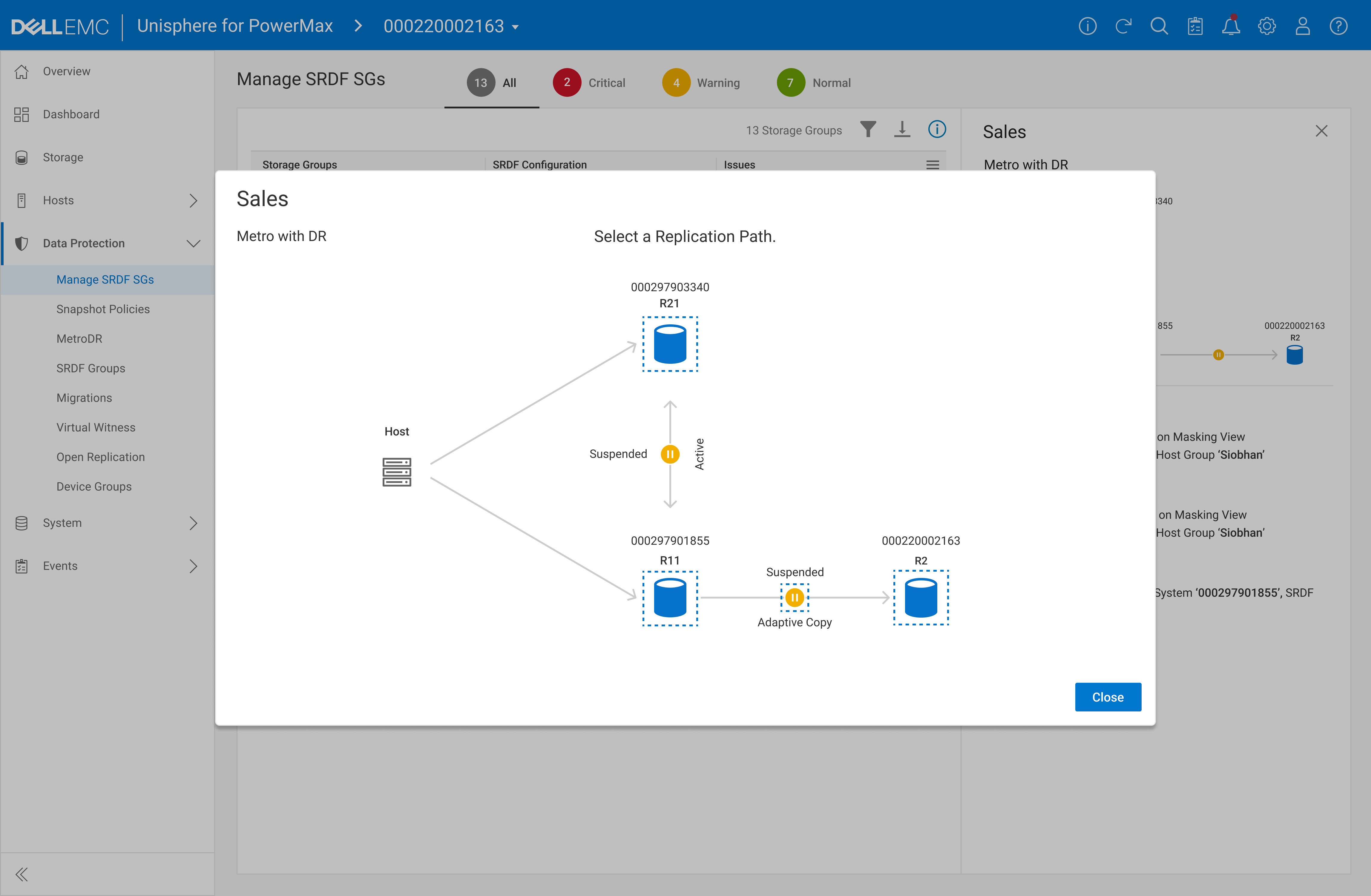
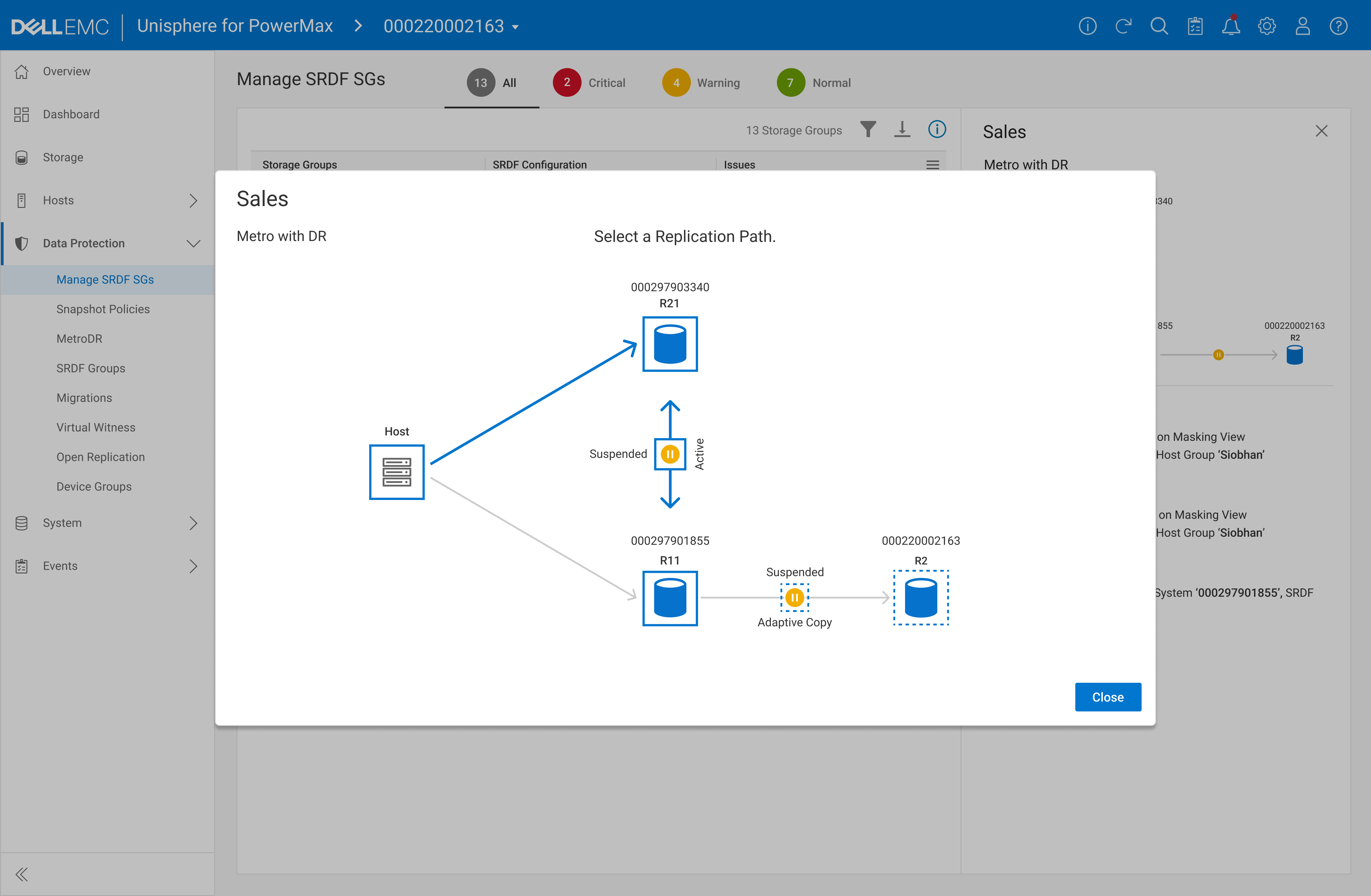
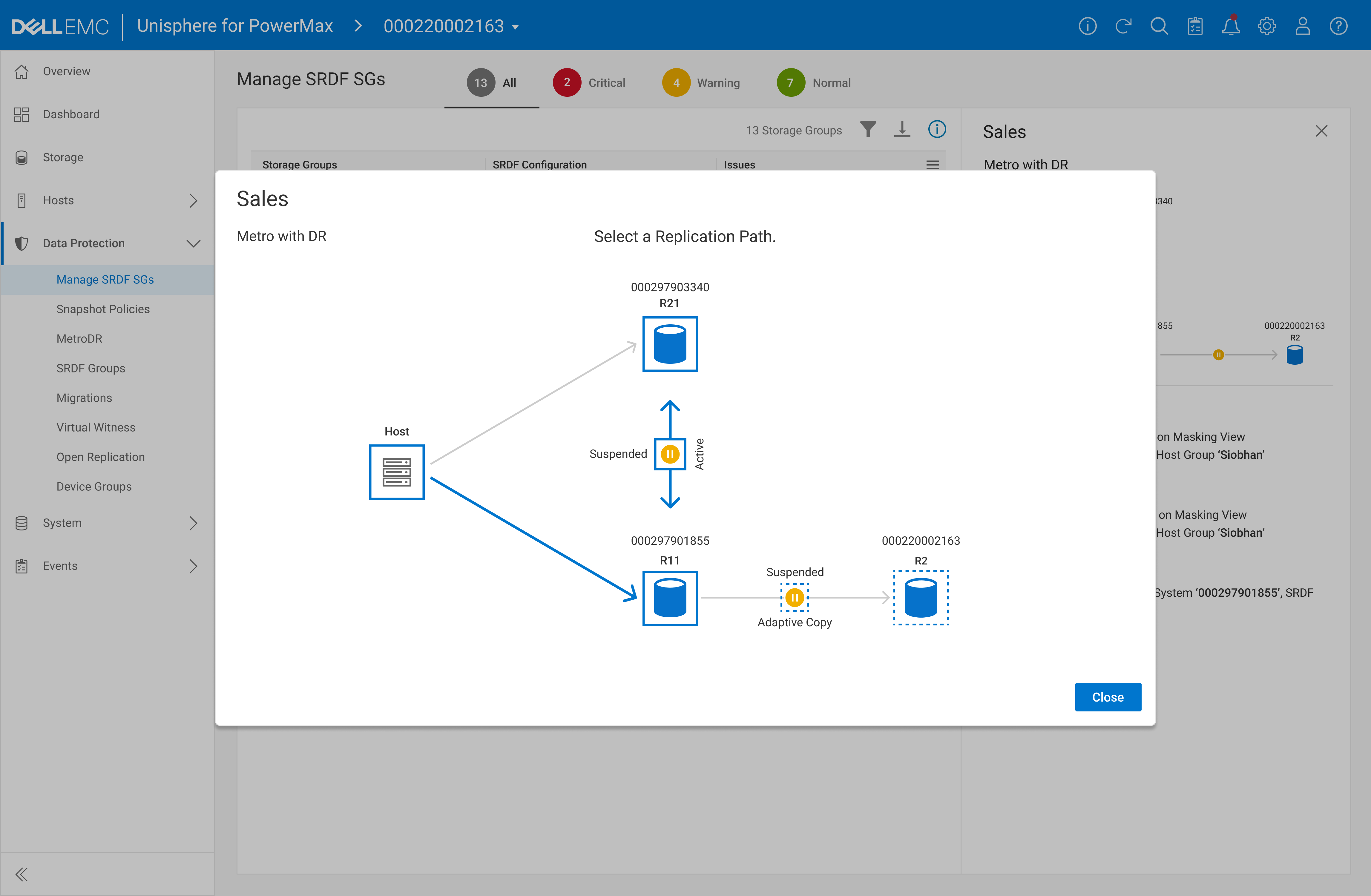
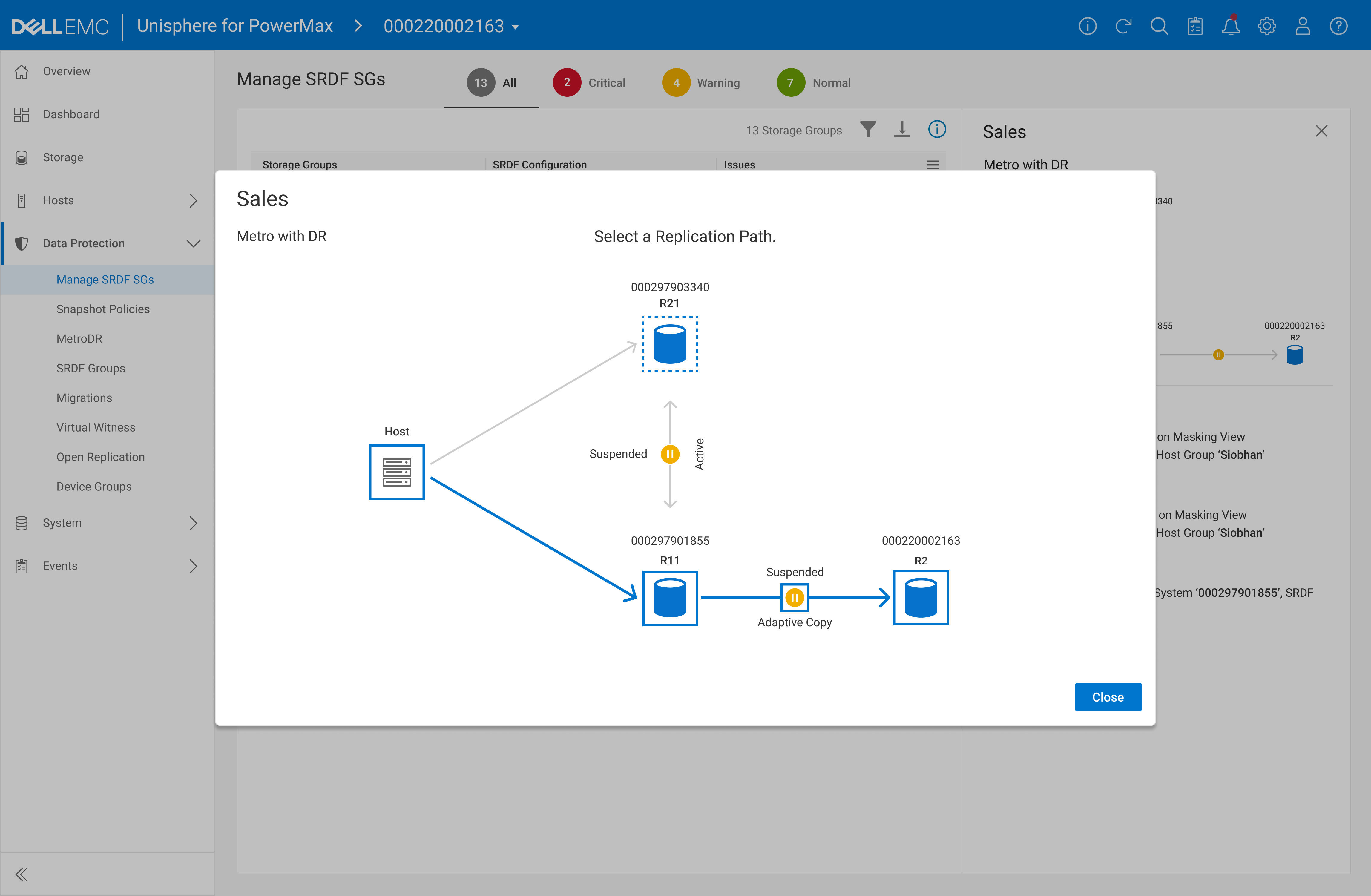
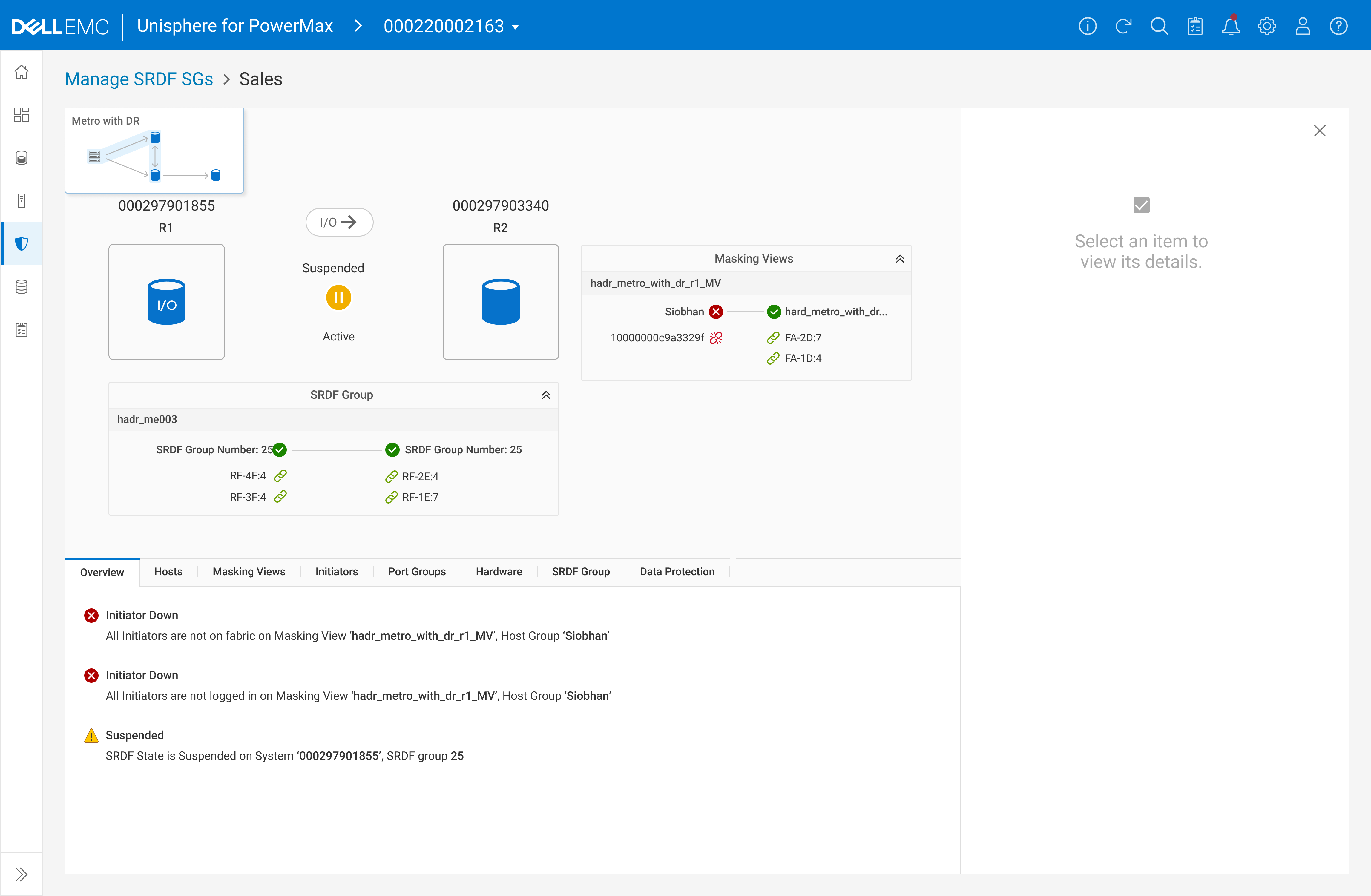
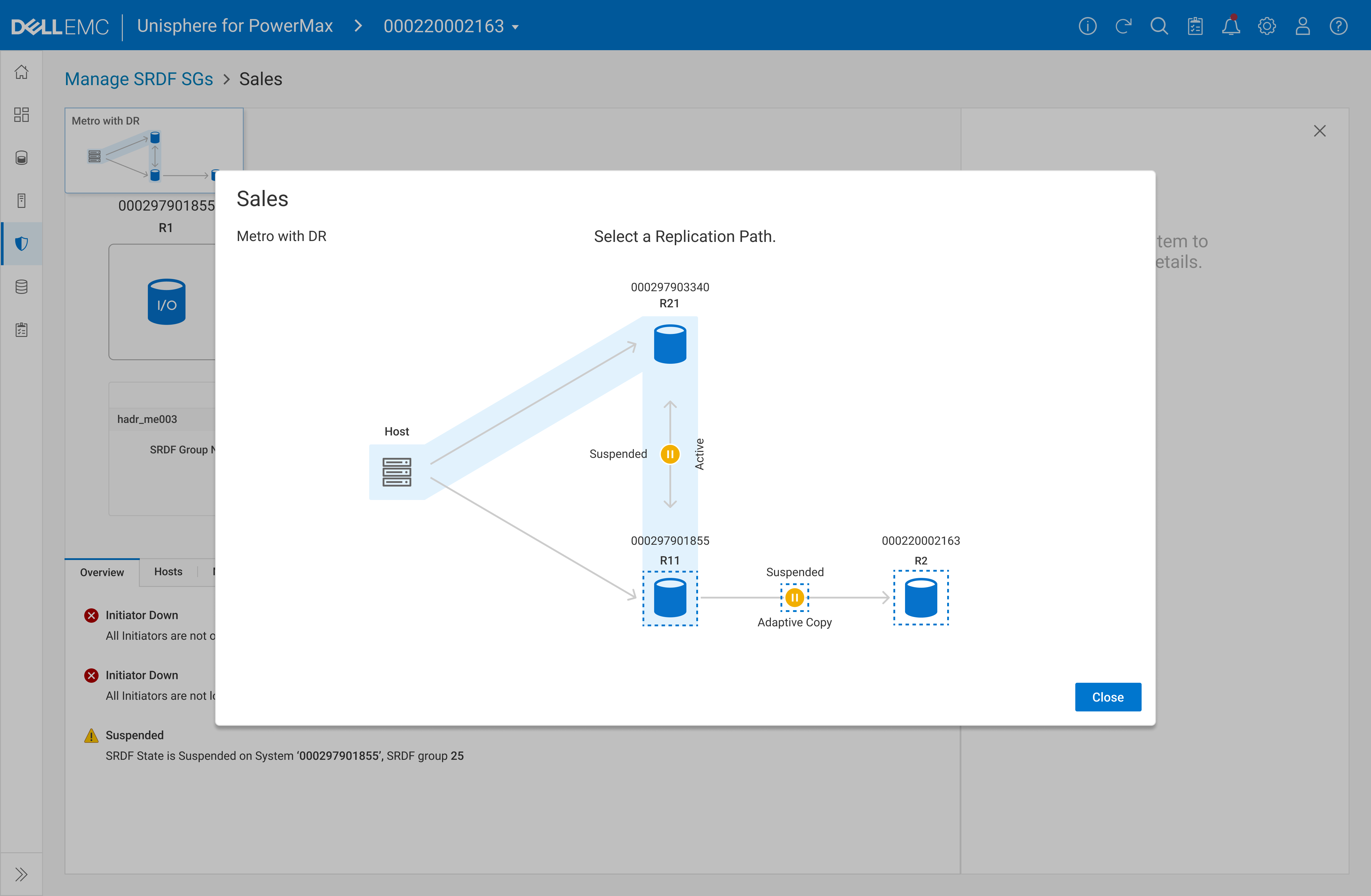
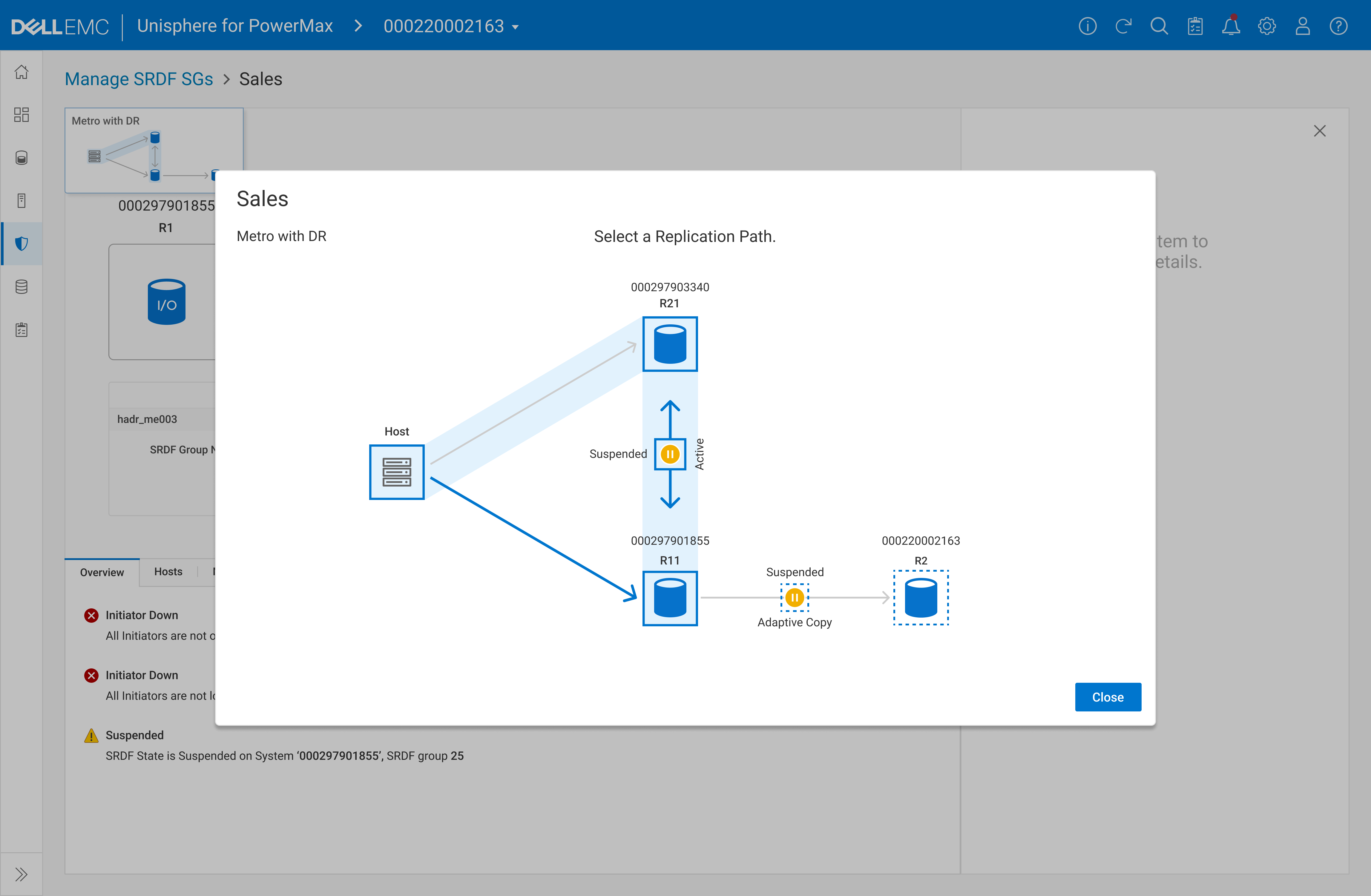
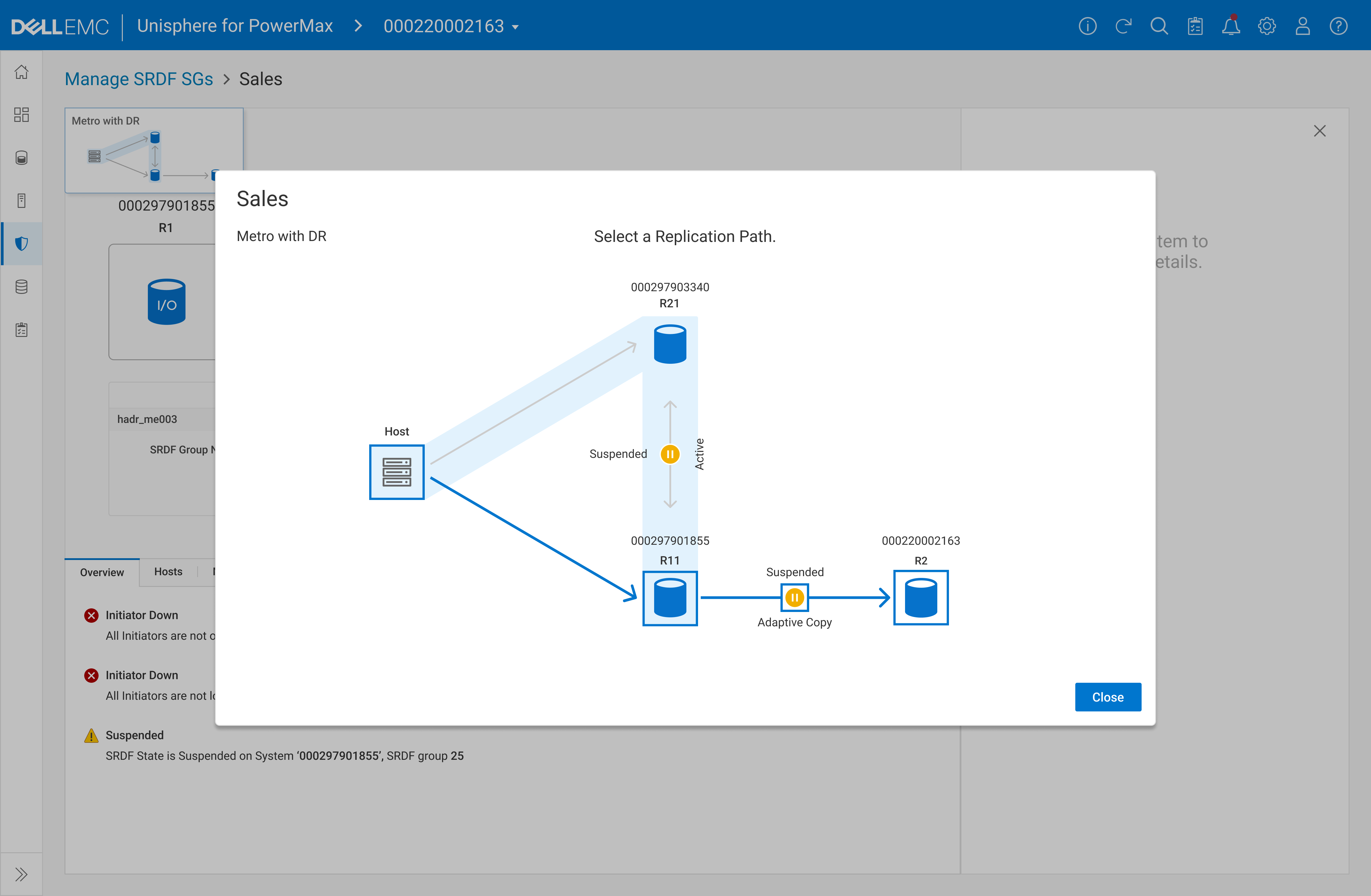
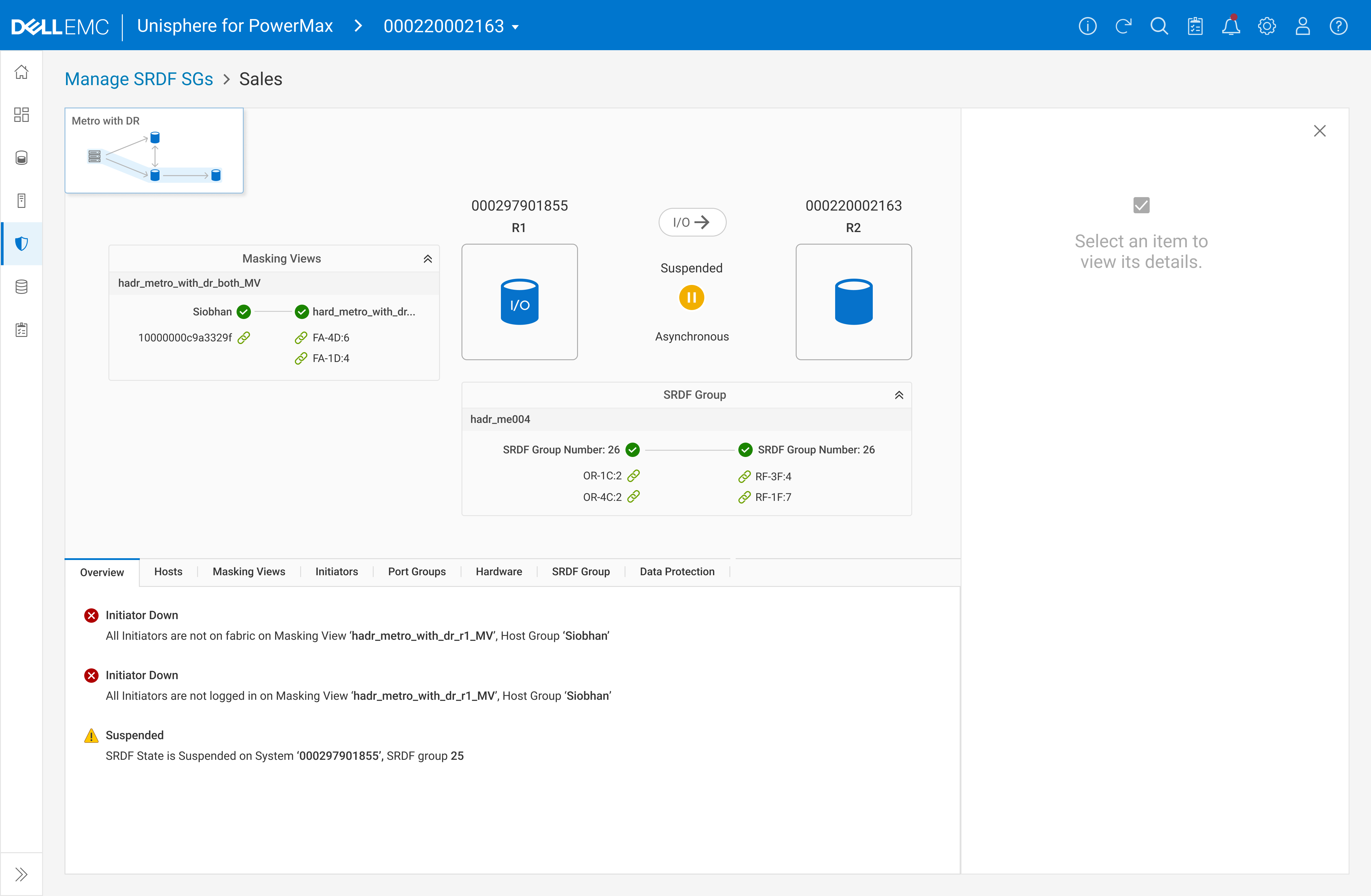
8+ PROJECTS
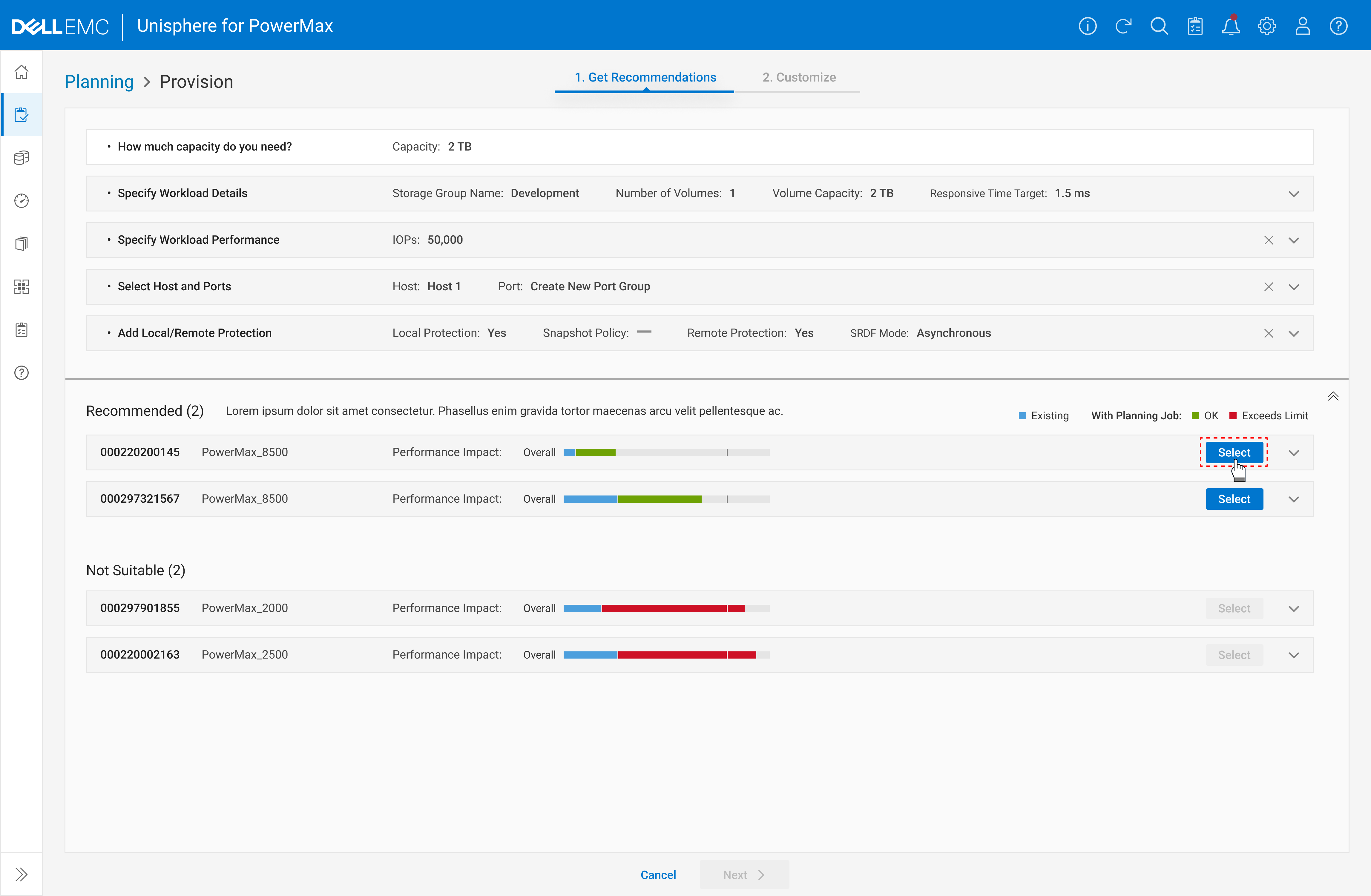
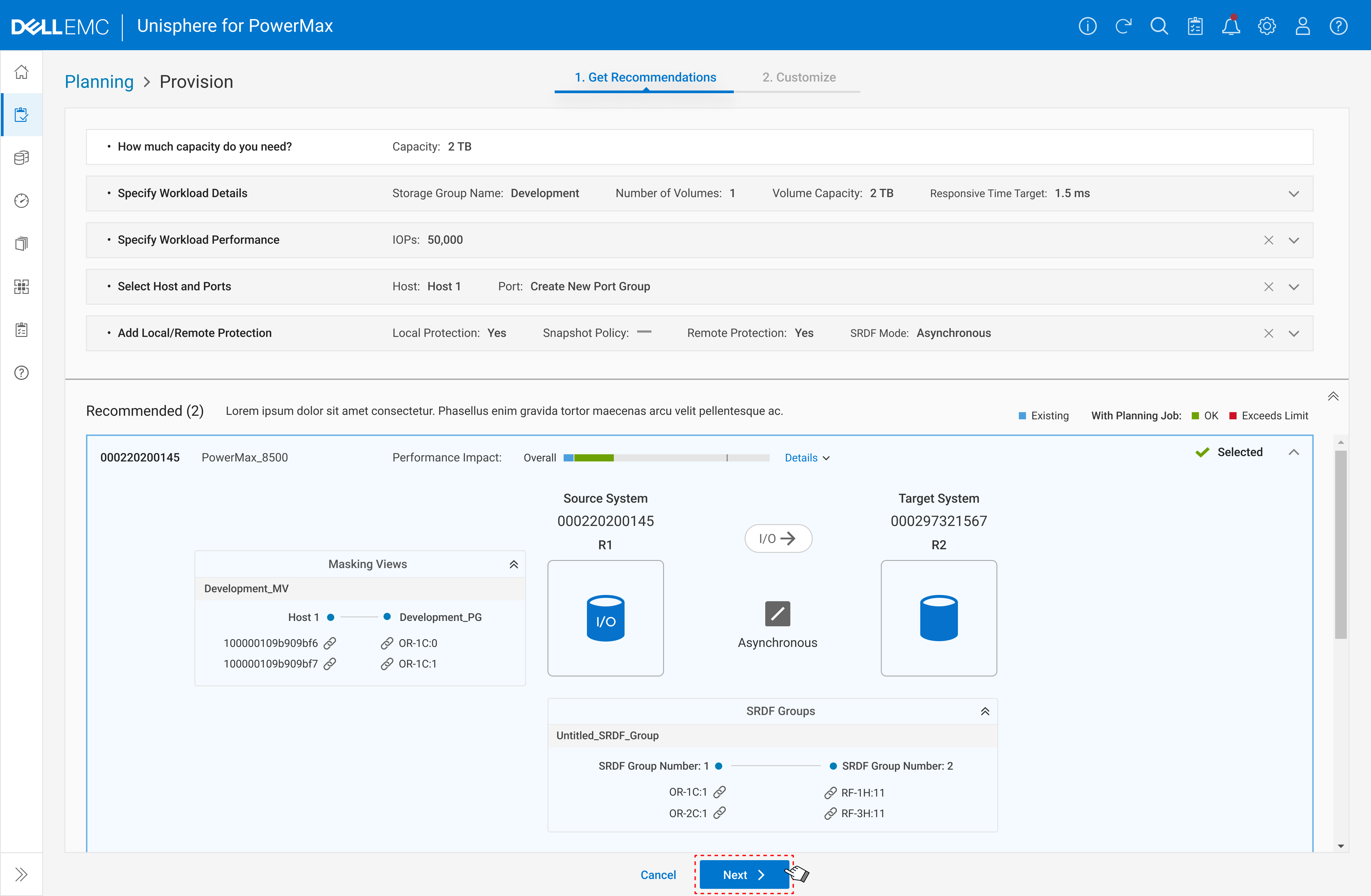
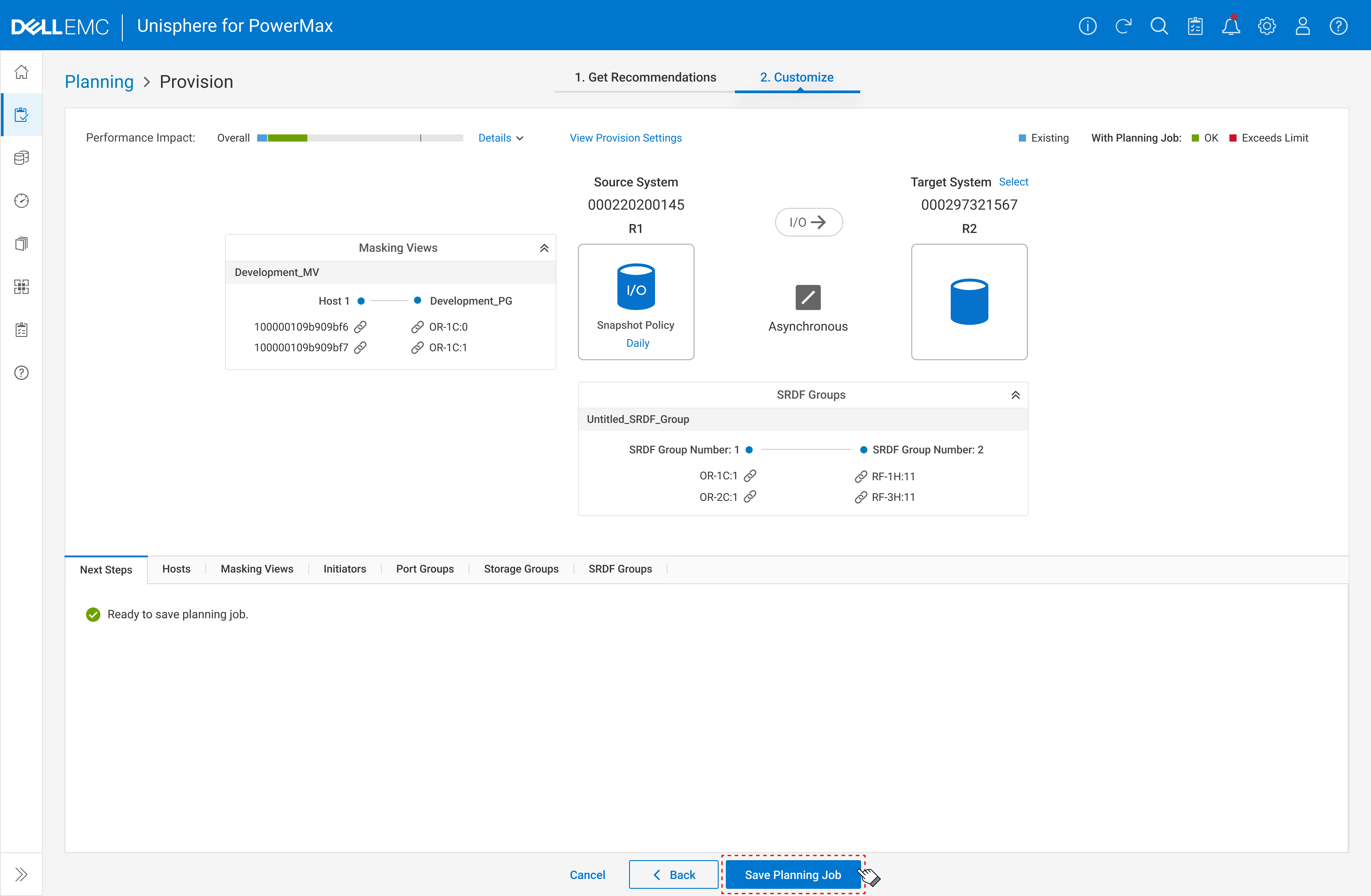
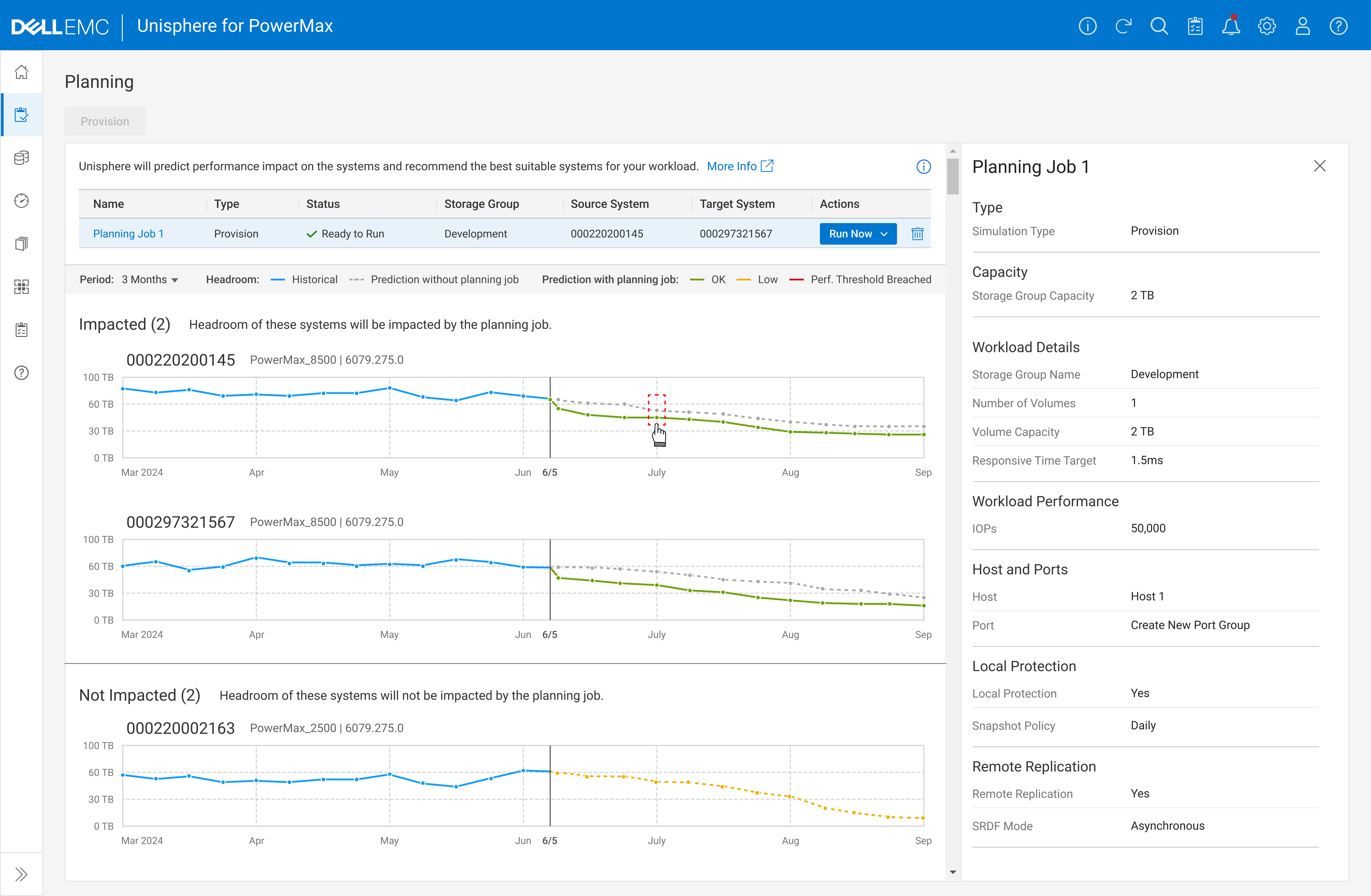
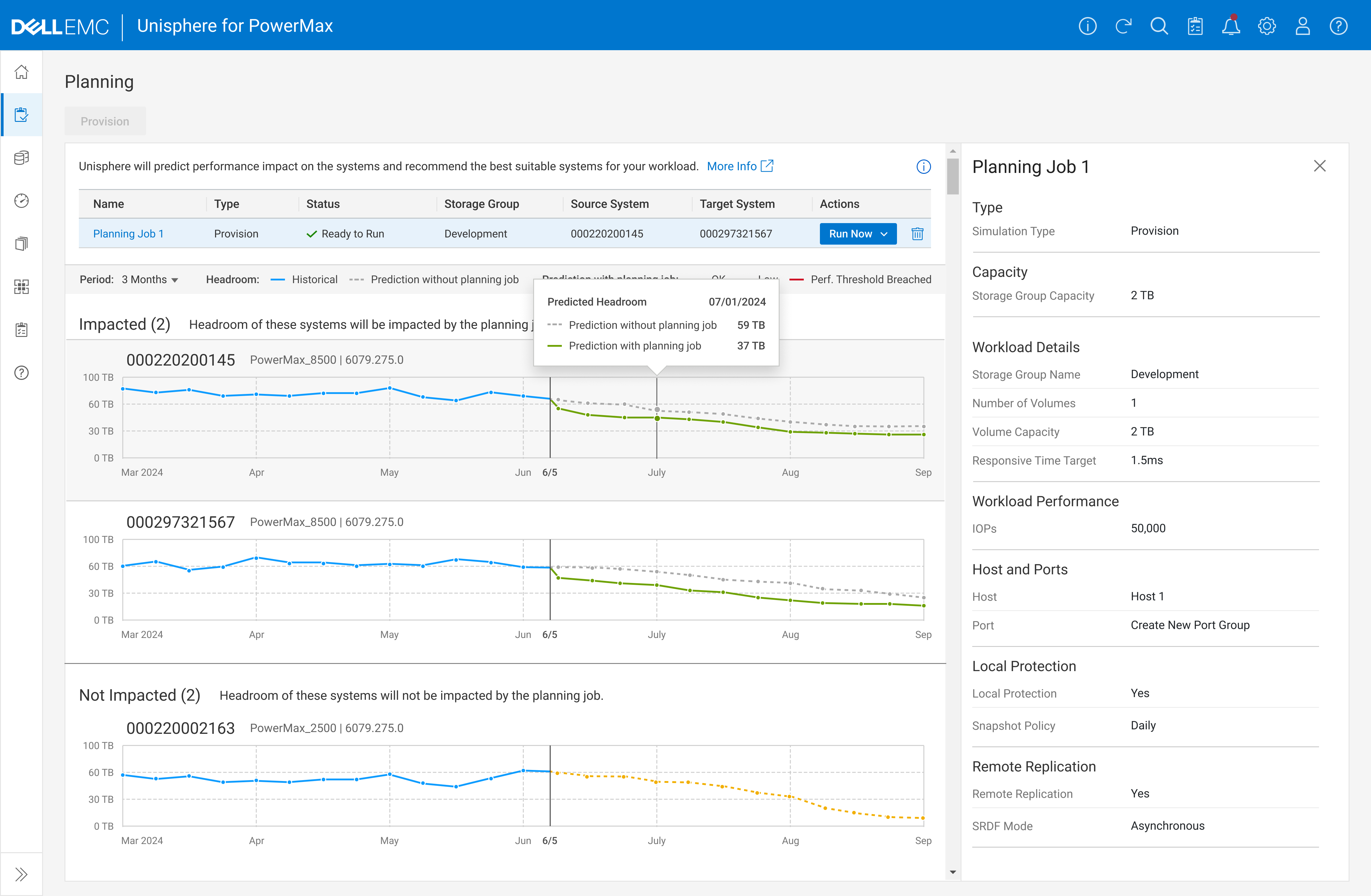
PowerMax — AI-Powered Predictive Planning
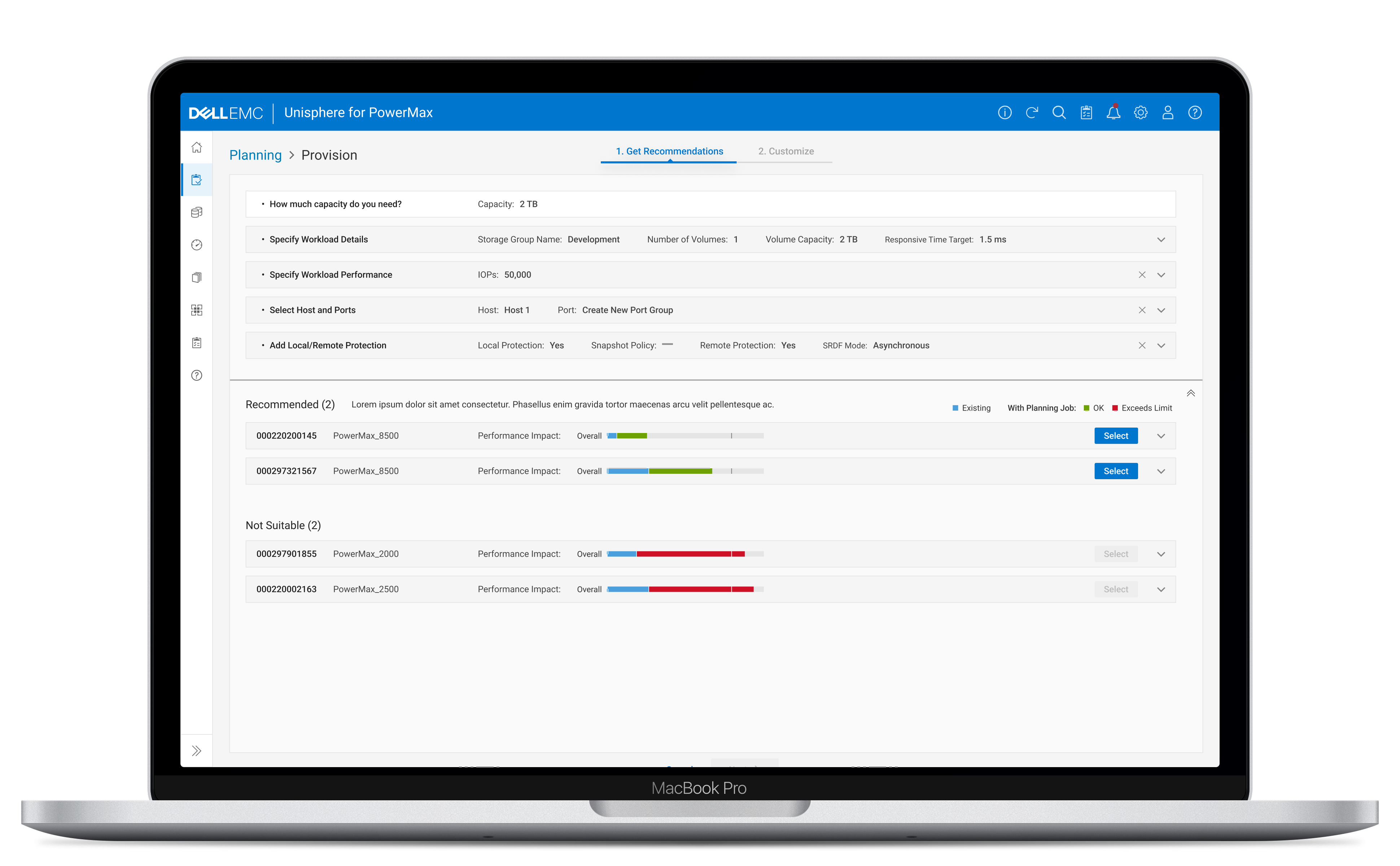
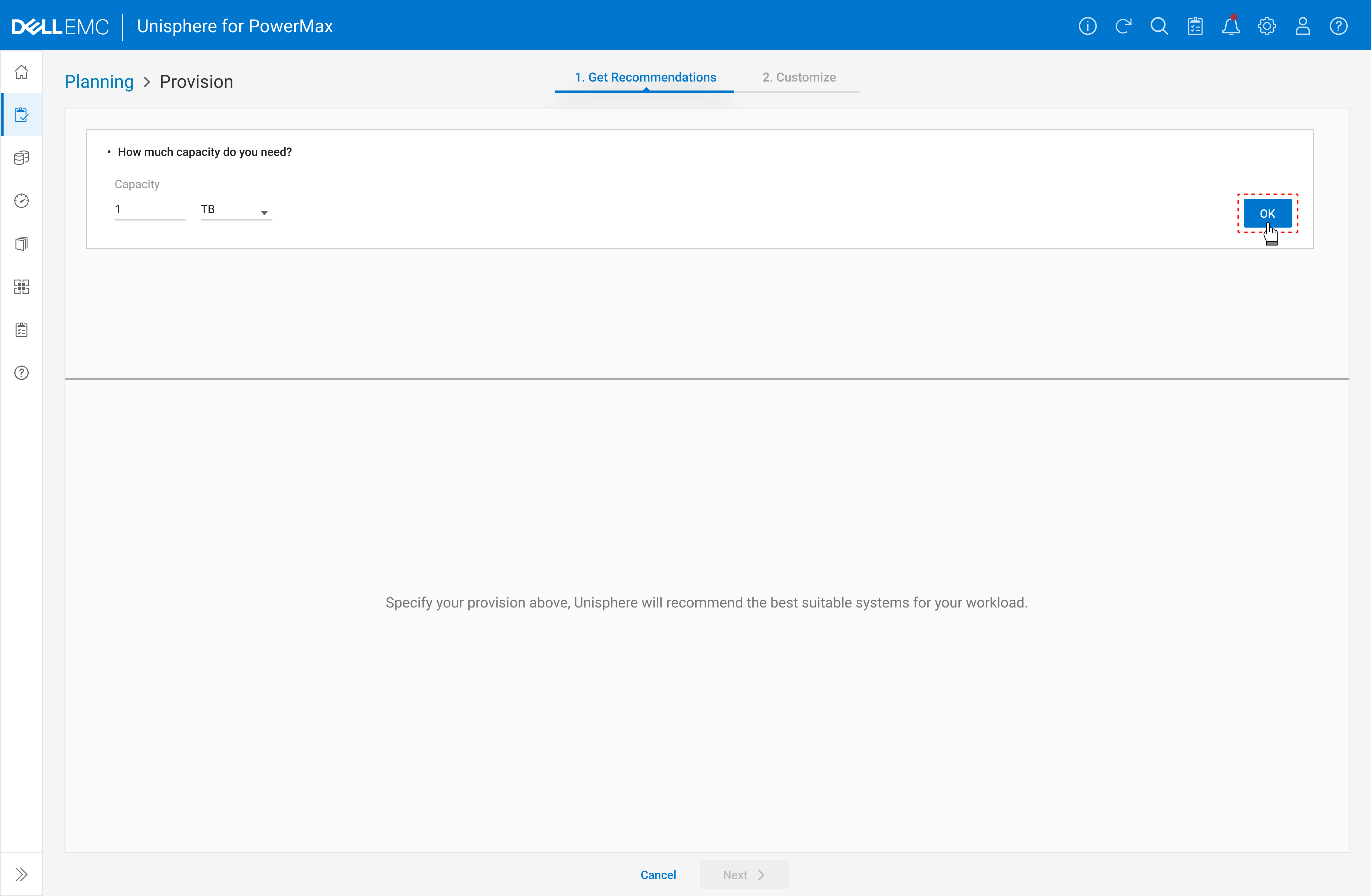
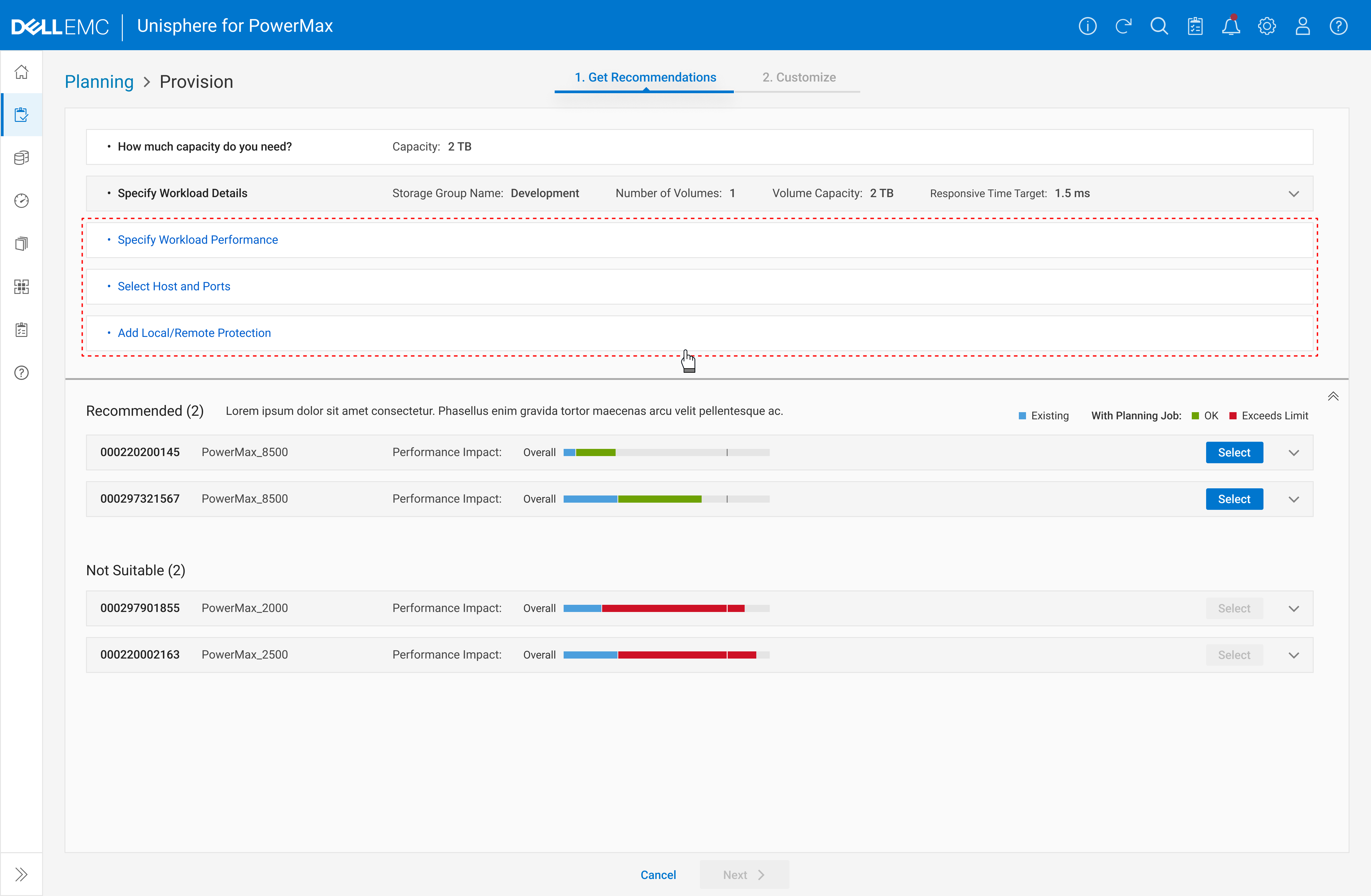
Led the redesign of PowerMax’s AI-powered Predictive Planning, replacing the legacy wizard workflow with a streamlined Q&A interface that reduced clicks by 90% and earned five-star usability ratings from PowerMax customers.
Coming Soon
2025
PowerMax — AI-Powered Predictive Planning
Mission
As part of TIAA’s major redesign, management wanted to enhance the customer experience of the desktop trading app, especially for less experienced senior customers.
Challenges
Similar to the mobile trading app, the desktop trading platform was powerful but difficult for less experienced senior customers to use. Many struggled to fill out the forms—especially when placing multiple orders, such as selling an investment and then using the funds to buy another.
My Contributions
To stay consistent with the mobile trading app, I redesigned the desktop app using a Q&A approach that guides users step by step through the process. It takes into account the investments they already hold and the actions they want to take, while also considering their investment objectives and risk tolerance.
Impact
The new desktop trading app was well received by customers. They found the step-by-step guidance extremely helpful and said it made their decisions easier along the way. Users were able to complete their tasks without any issues.
Select sell transaction
Users can choose either a Buy or Sell transaction.
Select investment to sell
After selecting a sell transaction, users can then choose which investment in their account they want to sell.
Add sell order
After entering the sell order details, the order is added. The app then shows users how much cash will be available and whether they are overweight in any asset allocation categories.
From there, users can choose to place the order immediately, buy another investment, or sell an additional holding.
From there, users can choose to place the order immediately, buy another investment, or sell an additional holding.
select investment to buy
Users can then select another investment to buy, enter the order details, and continue.
Place orders
After adding both the sell and buy orders, users can choose to place the orders.
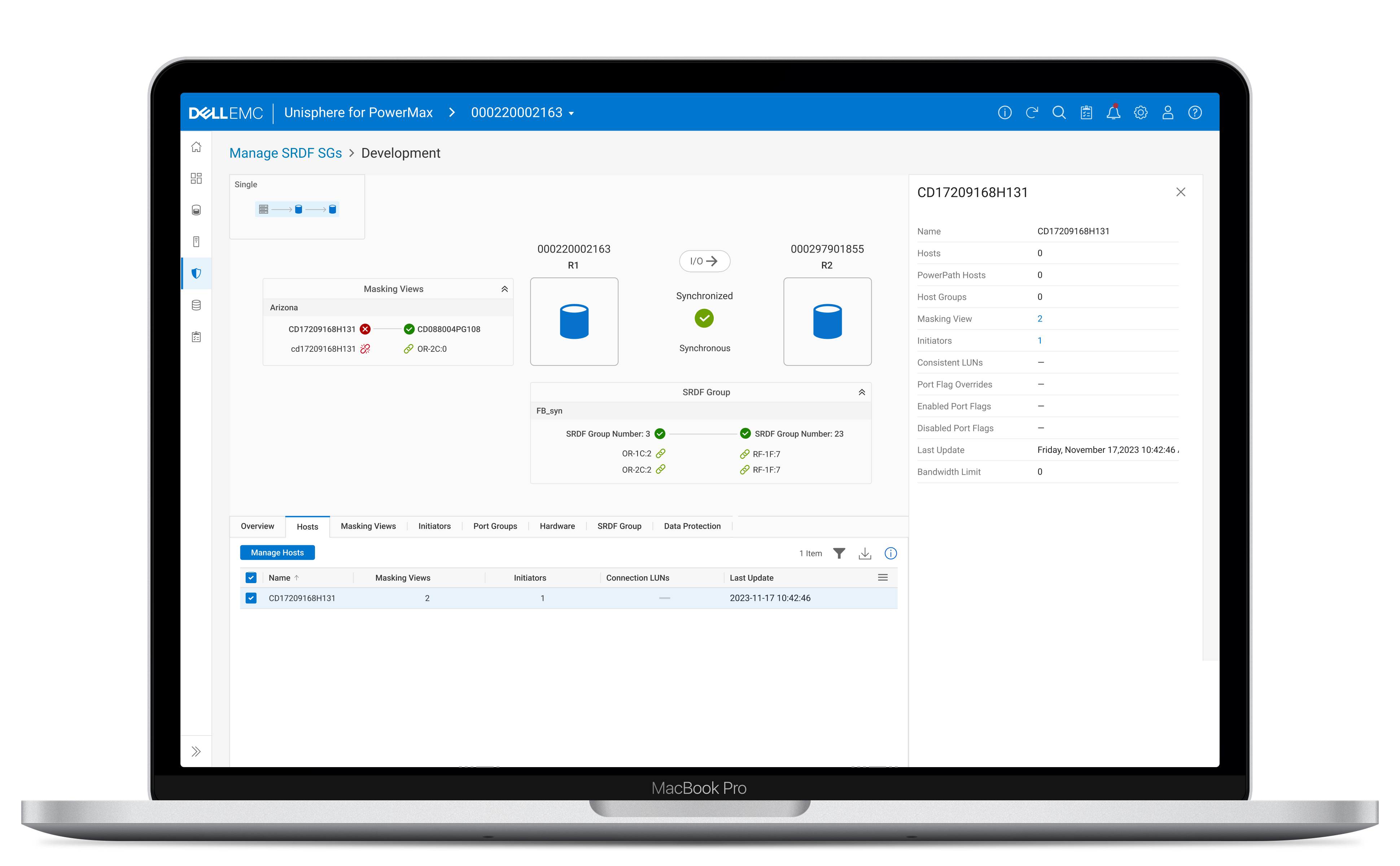
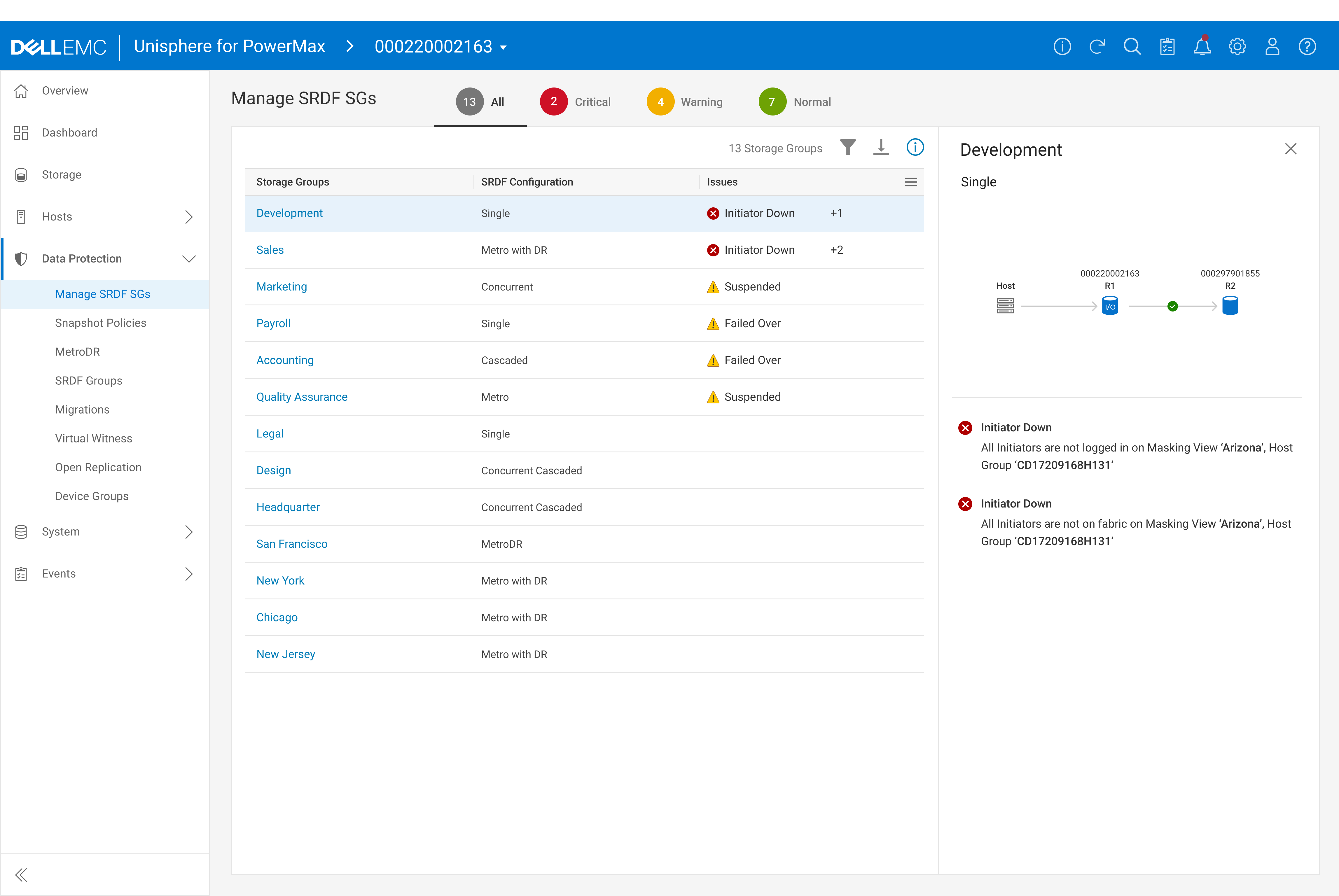
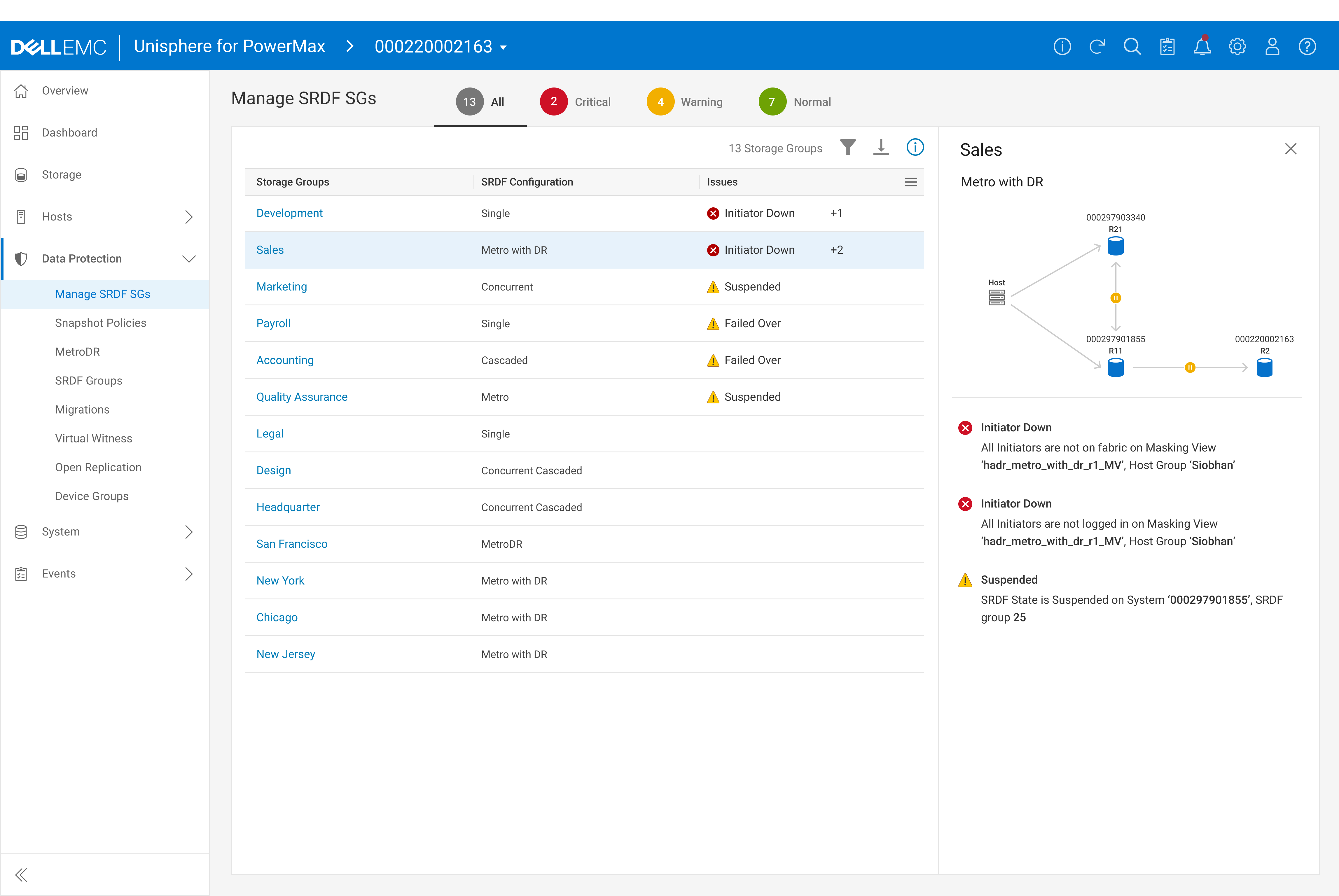
PowerMax — AI-Driven Storage Management
Unified multiple legacy wizards into a single-pane-of-glass interface for PowerMax’s AI-Driven Storage Management, reducing clicks by 90% and receiving five-star ratings in customer usability studies.
Coming Soon
2024
AI-Driven Design Systems
Mission
As part of TIAA’s major redesign, management wanted to enhance the customer experience of the desktop trading app, especially for less experienced senior customers.
Challenges
Similar to the mobile trading app, the desktop trading platform was powerful but difficult for less experienced senior customers to use. Many struggled to fill out the forms—especially when placing multiple orders, such as selling an investment and then using the funds to buy another.
My Contributions
To stay consistent with the mobile trading app, I redesigned the desktop app using a Q&A approach that guides users step by step through the process. It takes into account the investments they already hold and the actions they want to take, while also considering their investment objectives and risk tolerance.
Impact
The new desktop trading app was well received by customers. They found the step-by-step guidance extremely helpful and said it made their decisions easier along the way. Users were able to complete their tasks without any issues.
Select sell transaction
Users can choose either a Buy or Sell transaction.
Select investment to sell
After selecting a sell transaction, users can then choose which investment in their account they want to sell.
Add sell order
After entering the sell order details, the order is added. The app then shows users how much cash will be available and whether they are overweight in any asset allocation categories.
From there, users can choose to place the order immediately, buy another investment, or sell an additional holding.
From there, users can choose to place the order immediately, buy another investment, or sell an additional holding.
select investment to buy
Users can then select another investment to buy, enter the order details, and continue.
Place orders
After adding both the sell and buy orders, users can choose to place the orders.


